River Walk Dental Orthodontics

Blog
Dental hygiene tips for healthy teeth & gums
Top Common Root Canal Myths and Facts
The words “root canal” seem to carry more weight than most dental terms. A simple conversation about a sore tooth can suddenly feel different once those words are spoken. A horror story tends to surface quickly, even if it’s secondhand. The interesting part is that many of the loudest opinions come from people who never had the treatment.
That’s often how myths about root canal treatment start to take shape. They don’t usually begin with facts. They begin with someone’s retelling of an experience, which then gets passed around enough times that the details shift. Over time, those small shifts turn into big assumptions.
When a treatment gets labeled as frightening, the idea spreads easily. With dental procedures, that kind of assumption can travel fast. The result is a reputation that doesn’t always match reality.
The Pain Myth That Won’t Go Away
If you ask people what they know about root canals, the answer is almost predictable. Someone will say they’re painful. Someone else will say they’ve heard horror stories. It’s one of those procedures that somehow built a bad reputation over the years, and now the fear shows up before the facts ever do. Even people who’ve never had one feel sure it’s going to be awful.
What doesn’t get talked about as much is what’s happening before the appointment is even scheduled. When a dentist says, “You need a root canal,” it’s rarely out of the blue. Most people have already been feeling it building. Maybe it’s that deep ache that comes and goes or that sharp jolt when you bite down the wrong way. It’s not random. It’s been trying to get your attention for days. It’s coming from the infection sitting inside the tooth. The treatment isn’t there to create pain. It’s there to remove the source of it so things can finally calm down.
The American Association of Endodontists explains that root canal treatment is meant to relieve pain, not create it. Modern anesthetics are extremely effective. During the appointment, you typically feel pressure or vibration, but sharp pain is not the goal and not the standard.
Still, among the many common myths about root canal treatment, the idea that it’s brutally painful refuses to fade. Part of that comes from decades-old experiences when dental technology wasn’t what it is today. Those stories linger longer than the upgrades.
“Just Pull It” — The Simpler Option?
There’s another myth that sounds practical on the surface. Why not just pull the tooth and move on? It feels straightforward. No infection, no future issues. But teeth aren’t interchangeable pieces. When one is removed, the surrounding teeth don’t stay perfectly still. Over time, they can shift slightly into the empty space. That shift can change how your bite feels. It can create new areas that are harder to clean.
The American Dental Association encourages preserving natural teeth whenever possible because they function better than artificial replacements. A root canal keeps your original tooth in place. After restoration, often with a crown, it can function normally for years.
It looks like a clean solution at first, but removing it often leads to the whole implant-or-bridge conversation later on. This myth sticks because it feels decisive. It feels like taking control. But dentistry usually favors preservation over removal.
The Illness Myth That Keeps Circulating
Every few years, this one resurfaces online. The claim suggests that bacteria from root canal–treated teeth can spread and cause disease elsewhere in the body. The origin of this belief traces back more than a century to research that has long since been discredited. Modern endodontic procedures focus heavily on cleaning and sealing the inner tooth thoroughly.
The American Association of Endodontists clearly states there is no scientific evidence linking properly performed root canal treatment to systemic illness. Yet this remains one of the more persistent myths about root canal treatment.
It spreads because it sounds protective. It almost sounds like there’s a secret risk nobody wants to admit. In reality, the research just doesn’t back that up.
When the Pain Disappears
Here’s a myth that feels logical, which makes it more dangerous. If the ache suddenly disappears, most people feel relieved. It feels like a good sign. But pain going quiet doesn’t automatically mean everything healed. Sometimes it simply means the nerve inside the tooth has shut down.
The pain eases because the nerve isn’t able to send signals the way it used to. Meanwhile, infection may continue in the surrounding tissue. The Centers for Disease Control and Prevention notes that untreated dental infections can lead to more serious complications if left unaddressed.
This is one of the quieter common myths about root canal treatment, but it’s one that delays care more often than people realize. Relief isn’t always healing.
Why the Reputation Feels So Heavy
Root canals have somehow turned into a symbol for something awful. People even use the term to describe any experience they don’t want to go through. That kind of cultural embedding is powerful.
But dental care today isn’t what it used to be. Imaging is more precise. Anesthesia is more reliable. Techniques are more refined. The fear lingers because stories travel faster than updates.
When someone has a neutral or comfortable experience, they don’t usually tell it in dramatic detail. When someone had a difficult appointment years ago, that memory sticks and gets retold. That’s how myths about root canals become stronger than reality.
What the Procedure Is Really Like
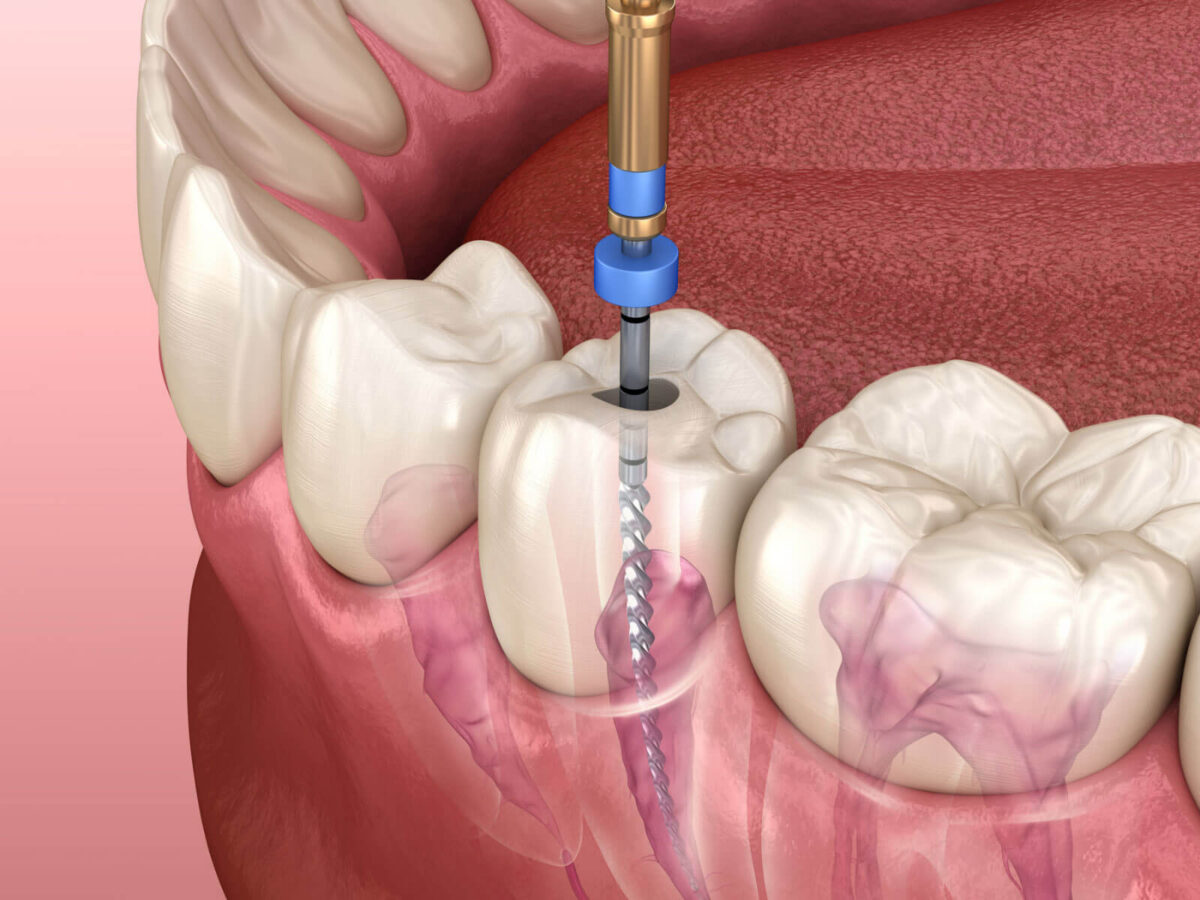
At its core, the procedure is methodical. The dentist removes infected pulp from inside the tooth. The inner space is cleaned and disinfected carefully. It is then sealed to prevent further infection. In many cases, a crown is placed afterwards to restore strength. That’s it.
There isn’t any hidden drama inside the tooth. There isn’t prolonged suffering during the appointment. It’s a controlled process designed to save something that would otherwise be lost. Most patients leave feeling relief rather than regret.
FAQs
Do people still believe the old root canal stories?
Yes. The “it’s going to be awful” belief is still pretty common.
Are those claims backed by solid evidence?
No. The scary connections people talk about haven’t been supported by modern research.
What are the usual misunderstandings?
That it’s extremely painful, that removing the tooth is automatically better, and that healing takes ages.
Does it hurt more than a filling?
For most patients, it doesn’t feel much different while it’s being done.
Conclusion
Somewhere along the way, root canals became something people talk about with tension. But when you examine the myths about root canals, you’ll notice how many are based on experiences from decades ago. The same goes for the lingering myths about root canal treatment that still shape expectations today.
Treatment now is handled with far more care and precision than most people expect. Dentists focus on making the experience manageable, not overwhelming. When you look beyond the common myths about root canal treatment, the objective is actually simple: clean out what’s causing the problem and preserve the tooth whenever possible. The anticipation usually drags on longer than the procedure ever will.
If you’re unsure, don’t let old stories decide for you. A short consultation can answer more than hours of online searching. Sometimes understanding what’s actually involved is enough to move forward with confidence.