River Walk Dental Orthodontics

Blog
Dental hygiene tips for healthy teeth & gums
Dental Crown Procedure: Step-by-Step Guide
What Is A Tooth Crown Procedure
As time goes by, a tooth may become more fragile. Damage from decay, an accident, or worn dental work may leave it vulnerable. In situations like this, dentists sometimes place a crown on the tooth. The crown surrounds the outer part and adds support. That added protection helps the tooth deal with normal biting pressure.
The phrase tooth crown procedure simply describes the treatment used to place that crown. It usually begins with a dental visit where the tooth is examined closely. After preparation, a crown is made so it fits properly. When it is finally placed, the tooth gains support and can continue doing its job.
Why Is A Crown Procedure Recommended
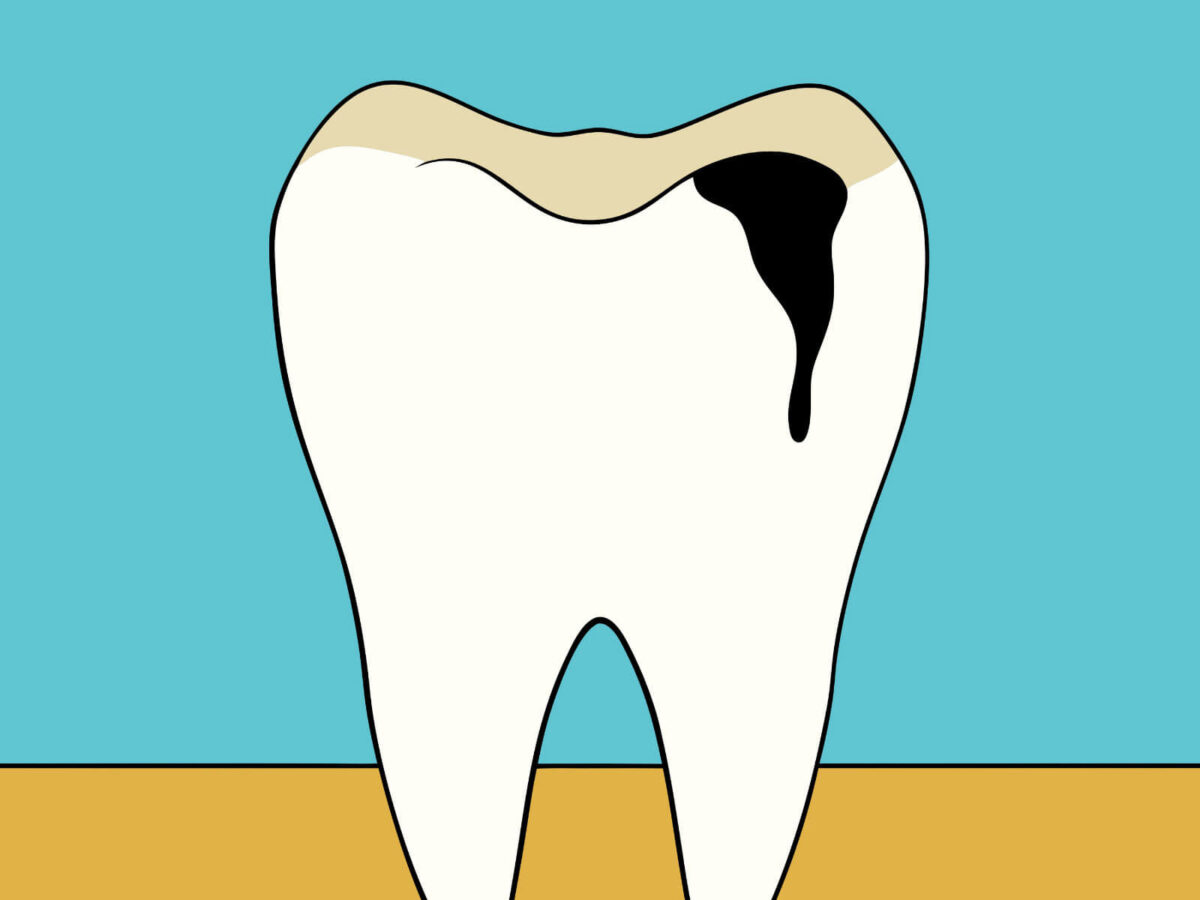
Not all teeth can be filled with a filling. Massive regions of decay may weaken it. Cracks can make it fragile. The teeth under root canal treatment also tend to fall in this category. In such situations, dentists usually put on a crown. And without such protection, the tooth can be broken while eating.
The shape of the tooth is also rebuilt with a crown. This causes biting to be rebalanced once again and prevents nearby teeth from becoming affected.
Who Is A Good Candidate For A Crown Procedure
Many patients can receive a crown. The roots should be strong. The gums should also be healthy. If an infection exists inside the tooth, treatment comes first. A healthy foundation gives the crown a better chance of lasting.
Children almost never require crowns. It happens mainly when a tooth is badly damaged. Adults need them more frequently. Teeth wear down over time. Sometimes they crack. A short exam helps the dentist make the decision.
What Happens At The First Visit
The first appointment is mostly about evaluation. The dentist studies the tooth carefully. X-rays are usually taken. They show the root and the bone around it. This helps the dentist decide if the tooth can hold a crown and move ahead with the tooth crown procedure.
Sometimes an infection is found inside the tooth. A root canal may be done before moving forward. That clears the problem first. If the tooth looks stable, the crown plan is set. The tooth is then scheduled for preparation.
How Is The Tooth Is Prepared?
A crown should be prepared first before placing it. The dentist refigures the outer surface to a small extent, and very little is removed. This enables the crown to fit in the tooth well. Numbing medicine will ensure that the area is comfortable.
The shaping is done with care. The dentist examines the tooth from various angles. They cannot take away too much because there has to be enough tooth to hold the crown. It is aimed at a safe fit and a realistic appearance.
How Impressions Are Taken During The Process Of A Crown
After shaping the tooth, the dentist makes a record of its form and the patient’s bite. Some offices use digital scanners that take quick 3D pictures. Other offices still use soft putty to make a mold.
The impression or scan goes to a dental lab. Technicians use it to craft a crown that matches the tooth next to it. Accuracy here makes the crown feel right and work well.
Why A Temporary Crown Is Placed
The dentist places a temporary crown on the prepared tooth. It remains there until the final crown is ready. The cover protects the tooth. It also helps keep sensitivity down. With the temporary crown in place, the patient can eat with more comfort.
Temporaries are not as strong as the real crown. Sticky candy or very hard foods can pull them off. They are a short-term solution until the permanent crown arrives.
How The Permanent Crown Is Made In The Lab
Laboratory technicians build the permanent crown from the model or digital scan. Porcelain and ceramic are commonly used for it. Metal crowns are also used. Porcelain and ceramic tend to look more like natural teeth. Metal is very strong for back teeth.
The lab checks the color of the crown and adjusts the shape. It should blend with the surrounding teeth. The chewing surface is shaped as well. That helps the bite feel right. Making the crown usually takes around one to two weeks.
What Happens When The Final Crown Arrives
The patient returns when the crown is finished. The temporary crown is removed. The tooth is cleaned once more. After that, the new crown is placed. This step checks the fit and the bite.
The dentist studies the crown from different sides. A small change may be needed. When the fit looks correct, dental cement is used. The extra cement is removed, and the crown then stays fixed on the tooth.
What To Expect After The Process Of A Crown
This is due to the fact that the tooth might have a slight difference within a few days after the placement of the crown. Hot or cold sensitivity to drinks is quite typical at this age, and it goes away. In the case of a slight pain, over-the-counter medicine can be used.
A crown also needs regular care. Look after it like a regular tooth. The cleaning method should not change. Dental checkups are still important. At the visit, the dentist checks the crown again. They see if it is tight and also look at the tooth under it.
How To Care For Your Crown So It Lasts
Brush twice daily and clean around the crown well. Floss along the gum edge. This part needs attention. Plaque can build up there quickly. Clean gums help the crown remain stable.
Some patients grind their teeth at night. The dentist may advise a nightguard. It covers the teeth while sleeping. This helps protect the crown from cracks.
What Crowns Are Made From
The material of the crown matters. Porcelain and ceramic are often chosen for front teeth because they look more like natural teeth. Metal crowns are also used. These crowns are very strong. They work well for back teeth because biting pressure is higher there.
Some crowns use both metal and porcelain. This gives strength along with a natural appearance. The dentist usually explains which option fits the tooth.
Can The Crown Procedure Be Done In One Visit
A digital scanner is used by the dentist to capture the exact shape of the tooth. The crown is then milled in the office using that scan. The whole process is faster than sending work to a lab. Because of this, a temporary crown is often avoided.
Not all cases are right for same-day crowns. Complex shapes or special colour matching sometimes still need a lab. Your dentist will recommend the best option.
FAQs
Do tooth crown procedures feel painful?
The dentist anesthetizes the region. Owing to that reason, the majority of people do not experience pain. During the work, some pressure can be experienced. The tooth may be tender in the short term following the visit.
What is the length of the procedure with a crown?
Two visits are common. One visit prepares the tooth. Another one is for placing the crown. Machines are also provided in some dental offices for making crowns the same day.
Why do I need a temporary crown?
A prepared tooth needs protection. The temporary crown covers it. This keeps the tooth safe while the real crown is made in the lab.
What is the cost like?
Costs vary quite a bit. Price is determined by the material used. Crowns made of porcelain tend to be expensive. Part of the fee can be assisted by insurance coverage.
If a dentist suggests a tooth crown procedure, ask questions until things are clear. It helps to understand the materials and the timing. A clear plan makes the visit easier. Then the appointment can be booked and the tooth protected.