River Walk Dental Orthodontics

Blog
Dental hygiene tips for healthy teeth & gums
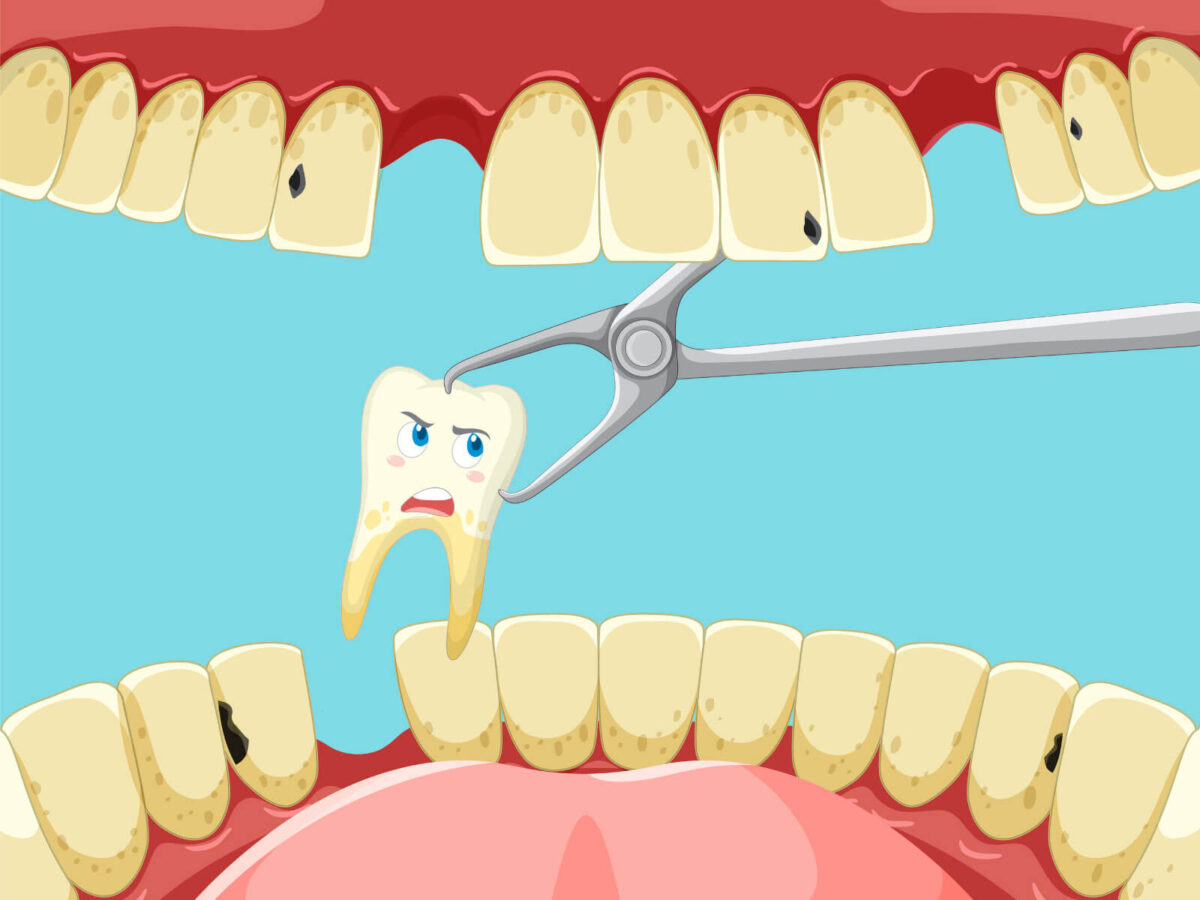
Same-Day Tooth Extraction and Implant: Is It Possible?
Why People Ask About Doing Everything in One Visit
Most patients assume replacing a missing tooth takes time. First, the extraction. Then healing. Then months later, the implant. So when they hear about same-day tooth extraction and implant procedures, the idea feels almost surprising. Can the damaged tooth really be removed and replaced during the same appointment?
It can be. The details usually matter more than the simple answer. Dentistry rarely follows a single formula for every patient. Learning how immediate implants work helps show when this option is appropriate and when it isn’t.
Why Tooth Replacement Matters More Than Many People Realise
When a tooth disappears, the effect rarely stays limited to appearance. The empty space begins changing how pressure moves through the mouth during everyday chewing. Nearby teeth slowly start taking on more force than before. At first, nothing seems different. Months later, those neighbouring teeth may begin leaning slightly into the open space.
Something else is happening under the gums at the same time. Tooth roots normally keep the jawbone active through regular chewing pressure. Once the root is gone, that stimulation fades away. The bone in that area may gradually shrink, sometimes without any clear symptoms in the beginning.
Dental implants are widely used today. The American Academy of Implant Dentistry estimates that over 3 million Americans have them. And about 500,000 additional implants are placed annually.
Implants replace more than the visible part of a tooth. They also take the place of the missing root, helping restore chewing strength and function. When the implant is placed depends on several factors.
How the Traditional Implant Process Works
Traditionally, implant treatment happens in stages. The damaged tooth is removed first. The bone then heals for several months before the implant post is placed. After the implant bonds with the jawbone, the final crown is attached to restore the tooth. In many cases, this traditional process can extend across several months.
Healing time is sometimes necessary before moving forward with an implant. This is especially true when infection or bone loss was present around the tooth before removal. Giving the area time to recover can improve stability. Even so, modern implant planning has made another approach possible, where the implant is placed immediately after extraction.
This is when dentists begin discussing implant placement on the same day.
How Same-Day Extraction and Implant Actually Works
In certain cases, dentists can place the implant immediately after removing the tooth. The extraction socket becomes the location where the implant post is inserted. Bone surrounding the socket provides initial stability while healing begins.
The implant doesn’t replace the visible tooth instantly in most cases. Instead, it replaces the root. Once healing and integration occur, a permanent crown is attached later.
Some implant research suggests implants placed right after extraction can work just as well as waiting several months. This tends to happen when the surrounding bone remains strong.
So yes, same-day extraction and implant procedures can work when the environment is right.
Why Bone Quality Matters
Before placing an implant, dentists often look closely at the bone in that spot. The implant depends on that bone for support from the start. If infection or bone loss has affected the area, stability may become harder to achieve. Because of that, the site may be allowed time to heal.
The National Institutes of Health points out that strong bone density and volume help implants remain stable long term. When the bone is healthy, immediate placement often becomes possible. When bone is compromised, waiting improves outcomes.
Why Infection Sometimes Delays Immediate Implants
Many teeth needing extraction have an underlying infection. In these cases, removing the tooth first allows the area to heal and inflammation to resolve. Placing an implant in an actively infected environment can increase failure risk.
An infection does not always rule out same-day tooth extraction and implant treatment. Dentists normally inspect the area carefully before deciding if immediate placement is appropriate. They first look at how serious the infection is and how much area it affects. If it is limited to one spot, they may clean the area before placing the implant.
What Patients Experience During the Procedure
For patients, the appointment may feel similar to a standard extraction. Local anesthesia ensures comfort. The damaged tooth is gently removed. The implant post is placed into the prepared site.
In many cases, a temporary crown or healing cap may be attached to maintain appearance. The whole procedure may occur during one visit. Even so, the implant requires time to attach to bone before handling chewing forces. Healing happens beneath the surface.
Why Temporary Teeth Are Often Used
Immediate implants don’t always mean immediate permanent teeth. Dentists frequently place temporary restorations while the implant heals. They allow normal smiling while protecting the implant from too much pressure.
At a later visit, the first crown is removed, and the final crown is placed. This staged approach allows the implant to stabilize without disruption. The appearance improves immediately, but full function arrives later.
What Research Says About Success Rates
Most dental implants perform very well over the years. Long-term follow-up reports often show survival rates above 95 percent when experienced dentists handle the placement.
Immediate implant placement shows similar success when case selection is appropriate. The key factor is careful evaluation rather than speed. Immediate placement isn’t about rushing treatment. It’s about recognizing when conditions allow efficiency.
Why Not Everyone Is a Candidate
Not every patient can receive an implant on the same day as the extraction treatment. Dentists usually take a close look at the mouth first. The condition of the gums and the amount of bone both matter here.
Treatment may depend on the health of the gums and bone. Some health conditions can slow healing. Smoking habits can also affect recovery in that area.
There are situations where dentists choose not to rush treatment. At times, dentists wait several months after extraction before placing the implant. This healing period helps the bone rebuild and recover strength. Once bone support improves, the implant generally gains better stability. The process takes patience, though it can produce more predictable results.
Why Same-Day Implants Are More Predictable Now
Modern imaging has helped improve immediate implant treatment. Cone-beam scans allow dentists to see the bone before the procedure starts. Digital planning programs also help guide implant placement. With these tools, dentists can plan treatment with more confidence. Even then, their clinical experience remains essential.
FAQs
Can a tooth removal and implant happen during the same visit?
Sometimes. It often depends on the condition of the bone. The area where the implant will be placed matters too.
Is this approach safe?
For suitable cases, it can work well and has shown good outcomes.
Does the crown go on the same day?
Most patients receive a temporary crown while healing takes place.
Who might need to wait before getting an implant?
Patients with infection or bone loss should wait. People with certain medical issues may need a delayed approach.
Conclusion
People often hear about same-day tooth extraction and implant treatment and assume it simply means doing everything quickly. In reality, dentists usually focus on whether the mouth is ready for it. Bone strength and gum health often decide what happens next.
If the area looks fine, the dentist may place the implant during the same visit. When the bone requires healing first, treatment may instead be completed in stages. The goal in either case is a stable result.
Thinking about implant same day as the extraction treatment? Talking with a dental professional can be helpful. An examination usually shows which treatment path offers better long-term stability.