River Walk Dental Orthodontics

Blog
Dental hygiene tips for healthy teeth & gums
Black Spot on Tooth: Causes and Treatment Options
Noticing A Black Dot on a Tooth
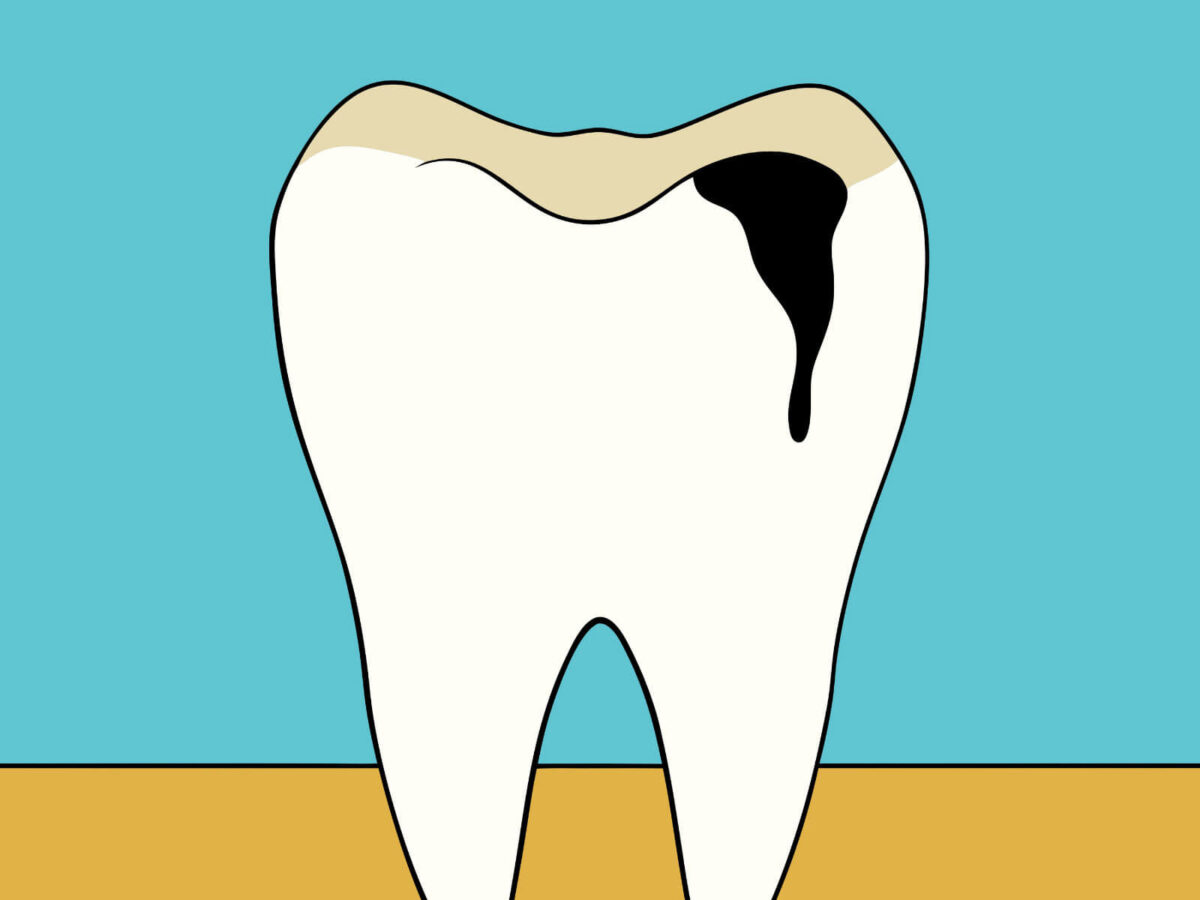
Sometimes people notice it in a quiet moment, maybe during brushing at night. Someone might notice it while looking in the mirror. Just a tiny dark speck resting on one tooth. At first, it seems unimportant. Maybe something left behind from chocolate or a dark drink. Still, a black dot on tooth catches attention because teeth are usually light and even in color. In some cases, the little mark stays exactly the same and does not change for a long time.
Sometimes the mark stays the same for months. Other times, it slowly grows darker or becomes easier to notice in photos or bright light. Dentists often say that even small spots deserve attention.
Tooth decay is still very common. In fact, the Centers for Disease Control and Prevention says that close to ninety percent of adults have had a cavity at some point in life.
What Causes Black Spots On Teeth
Not every dark mark means the same thing. Some black spots on teeth are simply stains that sit on the outer enamel surface. Others develop deeper inside the tooth structure. The appearance might look similar, yet the causes behind these spots can be very different.
Food and drinks are often responsible. Coffee and tea can slowly leave pigments on enamel. So can cola, and red wine. Tobacco is another major factor. Over time, these pigments attach to plaque and tartar, creating dark lines or dots along the tooth surface. Dental research describing pigment-related staining and bacterial black stains can be found here:
When A Dark Spot on a Tooth Is Actually Tooth Decay
A dark spot on a tooth may occasionally be the first hint that something is happening beneath the surface. The mouth naturally holds many kinds of bacteria. During the day, they settle on teeth and form a thin layer. If that layer stays there too long, it can slowly damage the outer surface. Early on, the change may appear as nothing more than a tiny dark mark.
As the damage grows, the spot may become more noticeable. The tooth surface may not feel as smooth when dentists examine it with their instruments. Some patients begin to notice sensitivity when they eat sweets or drink something cold. When treated at an early stage, the repair is usually minor. If the problem is ignored, the damage can extend further into the tooth.
Injuries That Lead To Darkening Inside A Tooth
Not every black mark comes from bacteria or staining. Trauma can also change the colour of a tooth. A sports injury, a fall, or even biting something extremely hard may damage the inner pulp tissue.
If the inner pulp of a tooth dies, the tooth can gradually change colour. It may turn grey or even black over time. The discolouration often covers a wider area instead of appearing as a single dot. Medical information about pulp necrosis and internal tooth discolouration is explained here:
How Dentists Examine A Black Dot on a Tooth
A dental visit for a black dot on a tooth often starts with a simple examination. Dentists use strong lighting to study the tooth surface. They may also touch the enamel lightly with small tools. The feel of the area helps guide the diagnosis. If the enamel feels smooth, it is often just a stain. A rough surface can sometimes indicate decay.
Dentists may suggest dental X-rays when they want a closer look for decay. The images highlight areas where the tooth layers have weakened. Cavities appear as darker shadows inside the tooth structure.
Professional Cleaning For Black Spots On Teeth
Sometimes the mark is only surface colour. Nothing serious. Many times it is addressed during a regular dental cleaning. Teeth gradually gather a hardened film that daily brushing cannot remove entirely. When that layer is cleared away, the tooth surface becomes smoother. During the final polish, many dark marks fade quite a bit.
A few stains are deeper than the surface and may not respond to normal cleaning. In these situations, dentists sometimes recommend whitening treatments. Dentists sometimes choose enamel microabrasion. This method lightly removes a thin layer from the stained enamel. Afterwards, the tooth often appears more even in colour. Many patients notice their teeth appear brighter after treatment.
What Dentists Do When Cavities Create Dark Spots
A dark spot on a tooth can sometimes be the first sign that decay has started underneath. Dentists usually deal with that by removing the weakened section of the tooth. The goal is simple. Stop the damage before it spreads further. Once the area is cleaned, the space is restored with a filling. The material is chosen to match the natural colour of enamel.
Now and then, the problem spreads beyond the outer layer of the tooth. The middle of a tooth contains soft tissue, and infection can develop there. Every tooth has soft tissue in the centre that may get infected. The tooth is then closed and sealed to keep bacteria away. A crown is often added afterwards to help support the tooth.
Why Some Treatments Turn Cavities Black
Some dental treatments intentionally darken the treated area. One treatment dentists sometimes use is called silver diamine fluoride. It comes as a liquid and is placed directly on the affected area. The goal is to slow down the damage inside the tooth. It also helps fight the bacteria involved and supports the enamel that has started to weaken.
However, the treated cavity usually turns dark or black. The discolouration is permanent, but the decay stops spreading.
Preventing Black Spots On Teeth
A clean mouth usually depends on small habits done daily. Bacteria and food particles collect on teeth after meals. Brushing twice each day helps remove that layer before it stays too long. The thin spaces between teeth are different. A toothbrush struggles there, so floss helps clear what gets stuck.
Another helpful step is reducing drinks known to stain teeth. Coffee and tea are two of the most common reasons enamel becomes discoloured. Research on beverage staining has shown that dark pigments from these drinks can stick to enamel and slowly change the colour of teeth.
When A Dark Spot Should Be Checked By A Dentist
Sometimes a small dark mark remains unchanged for years. In other cases, the spot grows slowly, becomes rough, or starts causing sensitivity. Those changes usually mean the tooth needs professional evaluation.
Dentists often remind patients that early treatment keeps problems simple. A tiny cavity may require only a small filling. If ignored for too long, the same cavity can develop into an infection that requires more complex procedures.
FAQs
Is A Black Dot On Tooth Always A Cavity
No. It may only be a stain on the surface of the tooth. Dentists still like to check these spots.
Can Black Spots On Teeth Be Removed
Many stains can be cleaned away by a dentist. If decay is present, treatment may be needed.
Why Does A Dark Spot on a Tooth Appear Suddenly
Stains sometimes build up over time. In some cases, enamel damage makes the area look darker.
Should A Dentist Examine A Small Black Spot
Yes. A quick dental visit helps find out what caused the mark.
If you spot a black dot on a tooth, it helps to get it checked. The mark may look small at first. Just a tiny dark speck. Still, it can sometimes signal the early stage of a dental problem. A dentist can look closely and tell what is going on. When problems are found early, treatment is usually much simpler.