Serious tooth pain sometimes leads to a larger decision than people expect at first. Dentists often start discussing treatment versus removal once infection or major damage reaches the inside of the tooth. That is where most root canal vs extraction comparisons begin.
The two procedures handle the problem in very different ways. Root canals remove infection while keeping the natural tooth structure in place. Extractions remove the entire tooth instead. Some people focus more on short-term cost. Others focus more on healing and how the tooth will function later.
A lot of online searches for extract tooth vs root canal happen because patients are trying to understand which option makes more sense long term. The American Association of Endodontists states that over 15 million root canal procedures take place each year across the United States.
Why Dentists Discuss This So Often
Teeth can break down slowly over time or suddenly all at once. Deep decay is one reason. Cracks are another. Some teeth already have large, older fillings that keep failing after years of pressure and wear. Injuries from years earlier can create problems later, too, once the nerve inside the tooth starts reacting.
Eventually, the damage reaches deeper areas of the tooth, and the treatment options stop feeling simple anymore. That is usually when dentists begin discussing root canal vs extraction more seriously. Back molars run into this situation pretty often because they handle constant chewing pressure every day.
Root Canals Try To Save The Existing Tooth
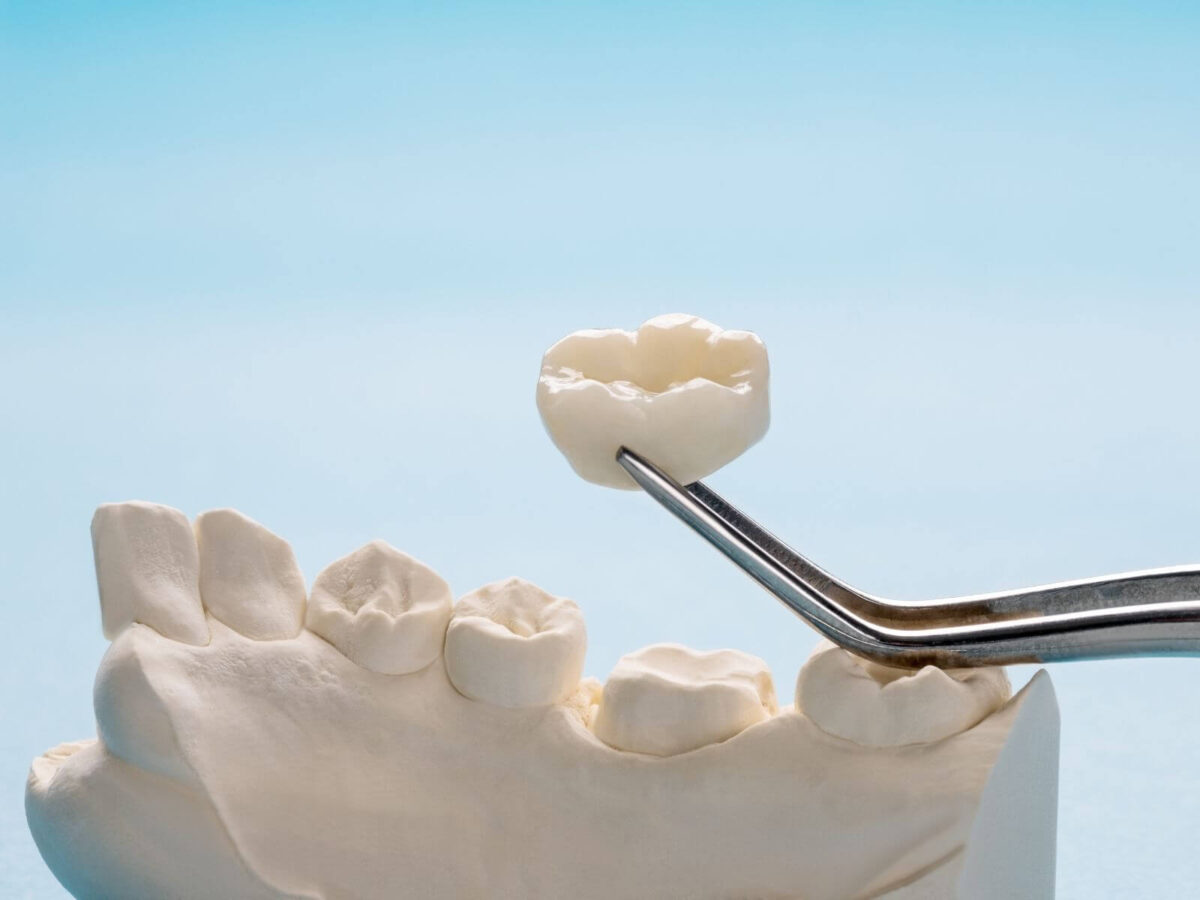
Root canal treatment is usually done to keep the natural tooth in place whenever possible. Dentists remove infection from inside the canals and seal the space afterward. Crowns are commonly placed later since treated teeth can become weaker over time.
The tooth stays in place, though. That matters more than people initially expect during root canal vs extraction discussions. Natural teeth help maintain chewing balance and jawbone stimulation differently compared to missing teeth. Especially long-term.
Tooth Extraction Ends The Problem Faster
Extractions feel more final. The infected tooth comes out completely. Pain from pressure or severe infection often improves quickly afterward once healing begins. Some people prefer simplicity mentally. No future crown. No retreatment possibility. No trying to preserve heavily damaged tooth structure anymore.
The appeal of extract tooth vs root canal treatment becomes stronger for patients already frustrated by repeated dental work on the same tooth over several years. That emotional part matters more than dentists sometimes realize.
The Pain Comparison Usually Surprises People
Many people assume root canals hurt more than extractions. That assumption stays extremely common. Modern root canal procedures often feel fairly similar to getting large fillings once numbness fully sets in. Extractions create a different recovery experience because healing happens through an open socket afterward. The soreness timing changes.
Root canals may feel easier immediately afterward. Extractions sometimes create more lingering soreness during the first several healing days. The pain side of root canal vs extraction does not always match what people expect before treatment.
According to the American Dental Association, advances in anesthetics and treatment methods have made modern root canal therapy much more comfortable than older perceptions suggest.
Cost Conversations Change Everything
Financial discussions shift these decisions quickly sometimes. Extractions usually cost less initially compared to root canals and crowns together. That difference becomes obvious once treatment estimates get printed. The long-term math changes later, though.
Getting an implant or bridge afterward can make the overall treatment much more expensive. Some patients leave the gap untreated completely because replacement becomes financially difficult later. That changes chewing patterns gradually over time.
The economics behind root canal vs extraction treatment rarely stay as straightforward as they first appear.
Molars Create Different Decisions Than Front Teeth
Front teeth and molars do not carry the same emotional weight. Losing a front tooth creates cosmetic panic immediately. Molars sometimes feel more “optional” to patients initially because they sit farther back.
Dentists usually view it differently. Missing molars change bite distribution and chewing pressure gradually. Neighboring teeth may drift slowly into the empty space afterward, too.
The extract tooth vs root canal discussion often becomes more aggressive for strategically important teeth supporting overall bite stability.
Root Canals Sometimes Need Retreatments Later
That part of the root canal vs extraction discussion tends to worry people pretty quickly. Most root canals heal successfully and stay stable for years, though certain teeth develop problems again later on. Cracks can cause it. Older restorations sometimes start leaking, too. In some cases, bacteria remain deeper inside the roots and lead to reinfection afterward.
Retreatment can feel discouraging after spending money on earlier dental work already. Even then, a large number of root canal-treated teeth continue to last for decades without major problems.
According to the National Institutes of Health, long-term survival rates remain high when the tooth is restored properly afterward.
Extraction Recovery Feels More Obvious
Extraction healing feels visually noticeable. There is swelling sometimes. Blood clot formation. Food trapping inside the socket later during healing. Patients become weirdly aware of the empty space with their tongue constantly. Especially lower molars.
The healing process after extraction stays more physically obvious compared to root canals, where much of the treatment happens internally inside the tooth structure itself.
That difference shapes how people experience root canal vs extraction recovery emotionally, too.
Bone Loss Starts After Tooth Removal
The jawbone underneath a removed tooth slowly starts changing because the root is no longer stimulating that area. Bone loss usually happens gradually over the years.
Implants help support the bone after extraction. Leaving the space empty often changes things more gradually over the years. That is part of why extract tooth vs root canal decisions are not always only about short-term treatment.
Some Teeth Simply Cannot Be Saved
Dentists do not recommend root canals automatically for every damaged tooth. Severe fractures below the gumline often change the entire prognosis. Certain teeth have already lost too much remaining structure. Advanced bone loss or deep decay extending into difficult areas may make long-term success unrealistic. That is where extraction discussions become more practical than emotional.
The root canal vs extraction decision depends heavily on whether the tooth remains restorable at all.
Root Canals Usually Require Crowns Later
Patients sometimes forget this part initially. Most back teeth receiving root canals eventually need crowns afterward for protection. That adds time and expense beyond the root canal itself. Without proper restoration, treated teeth become more vulnerable to fractures later.
Especially molars handle strong chewing forces every day. The crown discussion becomes tied closely to root canal vs extraction planning almost immediately for many posterior teeth.
Anxiety Changes The Decision Too
Fear influences treatment decisions constantly. Some patients feel deeply uncomfortable hearing the phrase “root canal” because older stories around the procedure became almost legendary over the years. Others hate the idea of removing teeth permanently.
Dental anxiety shapes more treatment choices than people openly admit during consultations. Sometimes the emotional side drives the final decision almost as strongly as the clinical one.
FAQs
Is root canal vs extraction cheaper overall?
Extractions cost less upfront, usually. Long-term replacement costs can change that later.
Which hurts more?
Depends on the recovery experience, honestly. Extractions often create more noticeable healing soreness afterward.
Is extraction better for infected teeth?
Not automatically. Many infected teeth can still be saved successfully.
Do root canals fail often?
Most work well long-term when restored properly.
What happens if the missing tooth is never replaced?
Neighboring teeth may shift gradually over time.
Conclusion
There is no one answer for every root canal vs extraction situation. Some teeth can still be restored successfully for years afterward. Others become difficult to save once deep infection or structural damage spreads too far.
Root canals focus on preserving the tooth whenever possible. Extractions solve the problem differently by removing the tooth entirely. That is part of why extract tooth vs root canal decisions usually become bigger than short-term discomfort alone.
If the tooth already feels weak or painful? Delaying treatment can make things more complicated later. Getting it examined earlier helps dentists see whether the tooth can still be restored properly. Sometimes removal makes more sense instead.