River Walk Dental Orthodontics

Blog
Dental hygiene tips for healthy teeth & gums
5 Different Types of Dental Implants and How to Choose the Right One – Copy
Teeth do not always break in obvious ways. Sometimes the damage builds slowly under an old filling. Sometimes the tooth starts hurting while chewing, or small pieces keep chipping away over time. That is usually when dentists begin discussing a dental crown. It is considered a way to protect what is still healthy enough to keep.
A lot of people search “what is a dental crown” after hearing the term during an appointment because it sounds more complicated than a regular filling. The treatment itself is pretty routine in dentistry. The crown covers the visible part of the tooth and helps it handle normal pressure again without the tooth continuing to weaken.
According to the American College of Prosthodontists, approximately 2.3 million implant-supported crowns are made annually in the United States.
What Is A Dental Crown Actually?
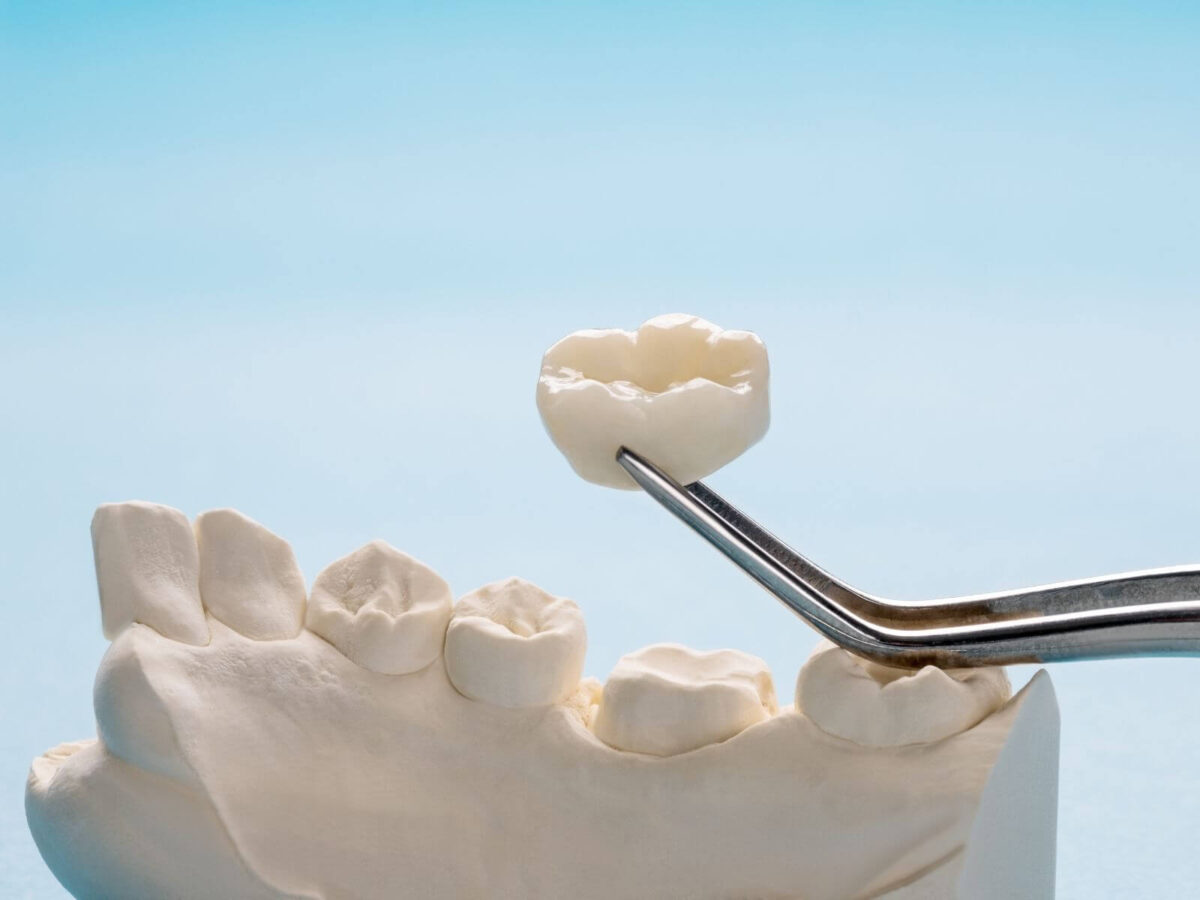
A crown covers a tooth after enough damage has built up that a regular filling may not stay secure anymore. It goes over the part above the gums and helps the tooth handle chewing again.
Dentists commonly suggest crowns once fillings can no longer protect the remaining tooth structure properly. This happens fairly often with larger cavities or cracked back teeth that handle heavy pressure daily.
The conversation around “what is a dental crown” usually becomes easier to understand once people realize the goal is often preserving the existing tooth instead of removing it. The tooth underneath stays there. The crown sits over it.
Why Dentists Recommend Crowns So Often
Some teeth lose too much strength over time for a regular filling to keep working well anymore. Deep cracks can do it. Teeth that already had root canals, too. Sometimes the chewing surface is mostly old filling material already, with only a smaller amount of natural tooth left around it.
After a certain point, the tooth just does not feel very stable anymore during normal use. That is when dentists usually start recommending dental crown treatment instead of replacing the filling again. Back molars come up in these discussions pretty often since they handle most of the chewing pressure throughout the day.
When A Tooth Needs A Dental Crown
People ask this constantly during consultations. Questions around “what is the purpose of a dental crown” usually come down to protection more than cosmetics initially. The crown helps reinforce weakened teeth and reduce fracture risk during chewing.
Some crowns improve appearance too obviously. Especially front teeth. Still, most crown discussions begin because the tooth itself no longer feels structurally dependable. That part matters more than people expect.
According to the American Dental Association, dental crowns are commonly used to restore damaged teeth and help strengthen weakened tooth structure.
Root Canal Teeth Often Need Crowns Later
Questions about “what is a dental crown” come up pretty often after root canal treatment is discussed. Teeth that have already gone through root canals can become more fragile later, especially back molars, under daily chewing pressure. Crowns are commonly used to help protect the remaining tooth structure from breaking.
Not every root canal-treated tooth automatically needs one, though. Front teeth sometimes stay stable without full crown coverage, while molars tend to need extra protection more often.
The Tooth Gets Reshaped First
The procedure itself surprises people initially. Dentists remove part of the outer tooth structure so the crown can fit over the tooth properly afterward. That reshaping step feels strange mentally because patients often think the tooth already looked damaged enough before drilling begins again.
Temporary crowns usually come next. Then the permanent crown gets placed later once the lab finishes fabrication. Unless the office uses the same-day milling systems.
Temporary Crowns Feel Odd At First
Temporary crowns rarely feel perfect. That becomes obvious quickly. The bite may feel slightly different for several days. Certain temporary materials feel rougher or bulkier than final ceramic crowns later. People become hyper-aware of the tooth during this stage. Tongues keep checking it constantly.
The temporary phase makes the overall dental crown process feel more real psychologically, too, because now something has visibly changed in the mouth.
Different Crown Materials Change The Experience
Crown materials vary more than people expect initially. Porcelain crowns stay popular for front teeth mostly because they look more similar to natural enamel once placed. Zirconia became extremely common for molars because of its strength. Metal crowns still exist, too, especially for less visible back teeth.
The conversation around “what is a dental crown” often shifts toward material comparisons fairly quickly once treatment gets approved. Especially cost comparisons.
According to the National Institutes of Health, zirconia crowns have shown high survival rates and strong durability in posterior teeth.
Cracked Teeth Usually Push The Discussion Forward
Cracked teeth create some of the fastest crown recommendations. The fracture may start small initially. Pain during chewing becomes unpredictable afterward. Some cracks remain visible. Others barely show externally, even though the tooth already feels unstable.
Dentists often recommend crowns before the crack spreads deeper. Waiting becomes risky sometimes, especially for lower molars.
Front Tooth Crowns Feel More Cosmetic
Front teeth bring appearance concerns into the conversation immediately. Patients worry about color matching, gum appearance, shape symmetry, and how natural the crown will look while smiling. Tiny details suddenly matter much more there compared to back molars.
The cosmetic side of what is a dental crown becomes more noticeable in visible smile areas, obviously. People stare at front crowns in mirrors constantly during the adjustment phase afterward.
Crowns Do Not Last Forever
People looking up “what is a dental crown” sometimes assume crowns last forever once they are placed. Most crowns stay functional for years without major issues. They still go through wear, though. It happens because of the years of daily chewing. The tooth underneath can also develop decay near the edges if brushing and flossing become less consistent over time. Some crowns loosen later, too. Grinding habits tend to make that happen faster in certain cases.
A few crowns stay in place for decades without major problems. Others need replacement much sooner. According to research published in the Journal of Prosthetic Dentistry, many dental crowns continue functioning well beyond 10 years with proper care and maintenance.
When A Filling Is No Longer Enough
People ask this question repeatedly. The answer usually comes down to how much healthy tooth structure remains. Once large portions of enamel and dentin disappear, fillings stop distributing chewing pressure reliably. The tooth starts flexing more. Cracks become more likely afterward.
That is where the reasoning behind what is the purpose of a dental crown becomes easier to understand practically. The crown surrounds the tooth instead of simply filling a hole inside it.
The Bite Sometimes Feels Strange Afterward
New crowns often feel slightly unusual initially. Not painful necessarily, just different. Patients describe the bite feeling taller or oddly smooth during the first several days. The brain notices small changes in chewing surfaces surprisingly fast. Most people adapt gradually afterward. Still, adjustment appointments happen fairly often during the first weeks after crown placement.
FAQs
When is a dental crown needed?
Usually, to cover teeth that no longer feel strong enough for a regular filling alone.
What is the purpose of a crown after a root canal?
Mostly added strength. Back teeth need that support pretty often.
Does getting a dental crown hurt?
The tooth stays numb during treatment. Most people mainly feel pressure.
How long do crowns last?
Many last over 10 years. Grinding and hygiene affect that a lot.
What makes a crown different from a filling?
A filling repairs one area. A crown covers much more of the tooth.
Conclusion
Questions around “what is a dental crown” usually begin because a tooth has reached the point where simple fillings no longer provide enough protection.
The crown goes over the remaining tooth and helps protect it from further wear or cracking. It also restores a more normal chewing function. A lot of people build the procedure up in their head beforehand. Treatment usually feels easier than expected.
Still confused about “what is the purpose of a dental crown”? It is a good idea to have the tooth checked. Because small damage turns into a larger fracture or a more complicated repair later on.