River Walk Dental Orthodontics

Blog
Dental hygiene tips for healthy teeth & gums
5 Different Types of Dental Implants and How to Choose the Right One
Most people picture the same thing when they hear about dental implants. A replacement tooth. Fixed, stable, and meant to last. And that part is true. But what doesn’t always get mentioned right away is that there isn’t just one version of it. There are actually a few different types of dental implants. The differences aren’t obvious at first. Without someone explaining it, it can get a bit confusing.
At first, it feels the same. Just replacing a tooth that’s missing. But how they are placed, how they connect, and who they’re meant for can all be very different from what people expect. So choosing between them isn’t just about preference. It’s about what works in your specific situation.
Why There Are Different Types Of Dental Implants
It comes down to structure. Not every jaw is the same. Bone differs, spacing differs. Even how long a tooth has been missing can change things. So instead of having one standard approach, dentistry adapted. Different implant designs exist to match different conditions.
The American Academy of Implant Dentistry mentions that implants are widely used. Part of the reason is that they can be shaped around different needs and bone support.
So when looking at different types of dental implants, it’s not about which one is “better” overall. It’s about which one fits.
Endosteal Implants (The Most Common Option)
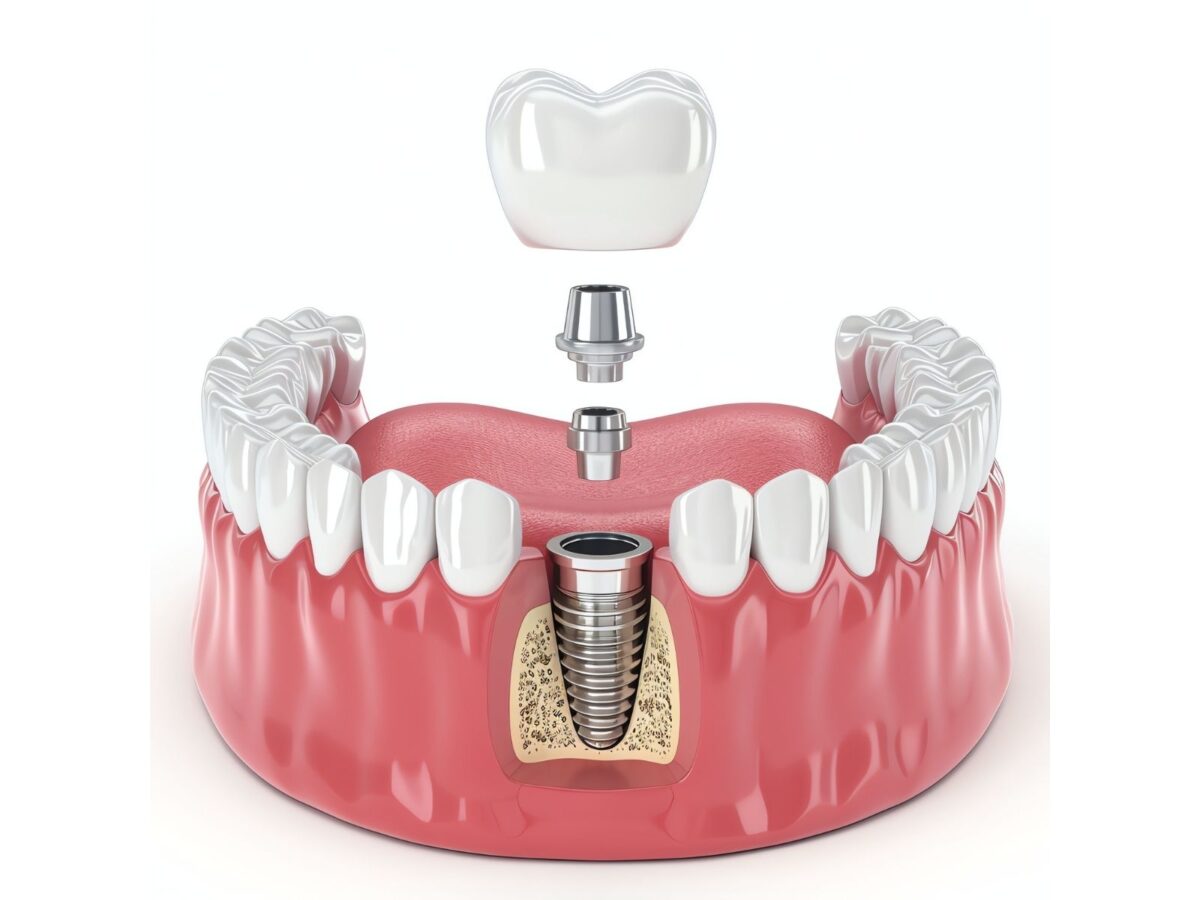
This is the one most people end up getting. When you start looking into it, this is usually the option that comes up first. Endosteal implants are placed directly into the jawbone, almost like a replacement root. Once things heal, a crown is added on top. That part is simple. And in most cases, it works just fine.
The only thing is, it does need enough bone to hold the implant in place. When the bone is strong enough, this tends to be the first choice. That’s why it’s often considered the standard among types of tooth implants. You’ll hear about it more than the others, simply because it fits a lot of situations.
Subperiosteal Implants (When Bone Is Limited)
This one is different in how it sits. Instead of going into the jawbone, it rests on top of it, just under the gum. It’s not used as frequently today, but it still comes up in certain cases, especially when there isn’t enough bone for traditional implants, and grafting isn’t ideal.
It’s more of a workaround. Not the first choice, but an option when others aren’t suitable.
So when people explore dental implant options, this tends to appear as an alternative rather than the starting point.
Zygomatic Implants
This is where things shift a bit. Zygomatic implants are used when there isn’t enough bone in the upper jaw. They are not placed in the jaw itself. The implant is anchored into the cheekbone. It sounds more involved, and in most cases, it is.
It’s not commonly used unless other options aren’t possible. But in the right situation, it avoids the need for bone grafting. That can otherwise extend treatment time significantly.
So it’s not something most people will need, but it still comes up when you look at the bigger picture of different types of dental implants.
All-on-4 Implants (For Multiple Teeth Replacement)
This isn’t just about one tooth. All-on-4 is usually used when several teeth, or even a full set, need to be replaced. Instead of placing an implant for each one, four implants are used to support the entire set. It changes the approach completely. Fewer implants, but more coverage.
Clinical data referenced by implant dentistry organizations says that All-on-4 systems have high success rates and are commonly used for full-mouth restoration.
So among types of dental implants, this one stands out. The main reason being that it’s designed for a different scale of treatment.
Mini Dental Implants (Smaller, But Not Always Simpler)
These are smaller in diameter. That’s what sets them apart. Their smaller size makes them useful when space is tight or when a less involved option makes more sense. They’re also used to hold dentures in place better.
But smaller doesn’t always mean better. They’re not suitable for every case, mainly where a strong bite force is involved. So when considering dental implant options, mini implants are more situational. Helpful in some cases, not ideal in others.
What The Data Says About Dental Implants Overall
Dental implants aren’t uncommon anymore. The American Academy of Implant Dentistry puts the number at over 3 million people in the U.S., and it’s still increasing each year.
That growth reflects something important. Implants aren’t a niche treatment anymore. They’re becoming more common, and with that comes more variation in how they’re done.
How To Pick The Right Type
This is where people tend to get stuck. Trying to compare everything at once. But the choice isn’t usually made in isolation. A dentist looks at bone structure and overall oral health. They check how many teeth need replacement, and then narrow it down.
So instead of choosing between all types of dental implants, it becomes a smaller decision between the ones that actually fit your case. That makes everything very simple.
Why One Option Isn’t “Best” For Everyone
This is something people often ask. They’re looking for a straightforward answer. “Just tell me which one is best”. But it’s not that simple. Something can suit one case, and just not fit another. Even small factors, like bone density, can shift the entire approach. So the idea of one “best” implant doesn’t really hold up. It’s always connected to the specific case.
What To Expect After Choosing An Implant Type
Once the type is decided, things start to feel a bit more straightforward. Not necessarily fast, but easier to follow. There’s the placement first, then a healing phase, and after that, the final restoration. The order doesn’t really change, but the timing can. Some people move through it quicker, others take more time, especially if something like bone grafting is needed along the way. That part can stretch things out a bit.
Still, the overall process stays fairly similar from one case to another. And once everything is done, it doesn’t feel like a big procedure anymore. It just becomes part of your normal routine. You eat, talk, go about your day, and you don’t really think about it the way you did in the beginning.
FAQs
1. What options are there for dental implants?
You’ll usually hear about endosteal and subperiosteal first. There are others too, like zygomatic, All-on-4, and mini implants.
2. Which one works best?
There isn’t one answer for everyone. It depends on your bone support, oral health, and what you actually need.
3. Are dental implant options permanent?
Most are meant to last a long time. It really comes down to care and regular follow-ups.
4. How do I decide which implant to get?
Usually, your dentist helps you figure that out. They take a look at your case first.
Conclusion
At first, the types of dental implants can feel like too much. Too many things to read, not enough clarity. And you’re left trying to understand what’s actually best for your case. But not everything is relevant. That’s what makes it simpler later. The different types of dental implants are just options. Not something you need to decide straight away.
Trying to see which one actually feels right for you? No need to worry. Most people are at this stage. Talking to a dentist usually helps more than trying to figure it out alone. They can narrow it down pretty quickly. If you’re considering implants, a quick visit can give you a better idea of what makes sense for you.