River Walk Dental Orthodontics

Blog
Dental hygiene tips for healthy teeth & gums
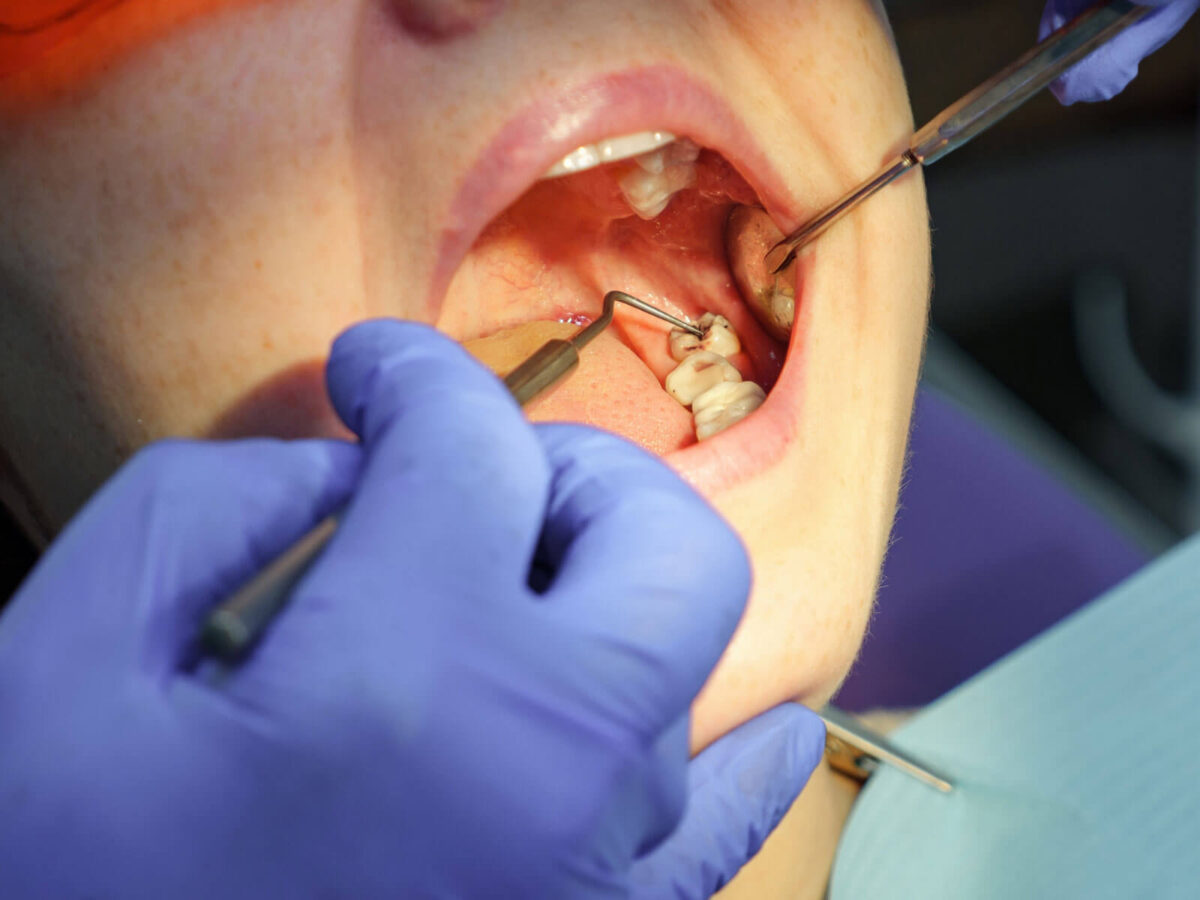
Can You Use a Straw After Wisdom Tooth Removal? Timing Matters
The post-operative sheet says no straws. It doesn’t say why. For most patients, an unexplained restriction is an optional one, and that’s where the problem starts.
Can you use a straw after wisdom tooth removal? Not without risking the blood clot sitting in the extraction socket. The suction pulls at it before it has had time to anchor properly. That clot isn’t incidental. It’s covering the bone and nerve endings at the base of the socket, and it’s what the entire healing process builds on. A dislodged clot means dry socket: deep, radiating pain that doesn’t respond to standard pain relief and requires a return visit to treat.
Knowing why the rule exists makes it easier to take seriously.
TL;DR
- Straws are off the table for at least 72 hours after wisdom tooth removal. Most surgeons push that to a full week.
- The suction destabilizes the blood clot in the socket before it’s had time to anchor. Lose the clot, get dry socket.
- If the clot goes, the socket is left exposed. Dry socket needs clinic treatment and won’t resolve on its own.
- Can you use a straw after wisdom tooth removal? Not for the first week. You can use it only once healing is confirmed.
What Happens in the Socket After Extraction
Blood fills the socket within minutes of the extraction and clots. That clot covers the bone and nerve endings at the base, holding the healing environment in place while tissue starts forming underneath.
Granulation tissue forms under the clot. Blood vessels grow back in. Over the following weeks, bone gradually fills the space. The clot is temporary, but losing it early collapses the whole sequence.
When the clot is disturbed before it’s had time to stabilize, bone and nerve endings sit exposed. The pain radiates into the jaw and ear and doesn’t settle with anything over the counter.
Why Straws Specifically
The suction required to draw liquid through a straw creates negative pressure in the mouth. That pressure pulls outward against whatever is in the socket, including the clot.
In the first 24 hours after extraction, the clot is fresh and poorly anchored. It hasn’t integrated with the socket walls yet. A single straw use during this window is often enough to dislodge it partially or entirely.
Using a straw after wisdom tooth removal too early is one of the most common causes of dry socket, common enough that it leads most post-operative instruction sheets. It comes up so often because the suction doesn’t feel like much. There’s no pain in the moment. Two or three days later, there is.
What Dry Socket Actually Feels Like
Some pain in the first day or two after extraction is normal and responds to standard pain relief. Dry socket is different and usually becomes obvious around day two or three, once the initial soreness should be settling.
It gets worse rather than better, with pain spreading into the jaw and ear. Opening the mouth hurts. Temperature sensitivity in the area is sharp. Standard pain relief barely touches it.
Looking into the socket reveals visible bone where the dark clot should be. Sometimes there’s a smell from the exposed bone. The Mayo Clinic notes that dry socket is the most common complication following wisdom tooth extraction, occurring in roughly 2% – 5% of cases, with higher rates in smokers, patients with difficult extractions, and those who didn’t follow post-operative instructions.
How Dry Socket Gets Treated
Dry socket doesn’t resolve on its own in any tolerable timeframe. A clinic visit is needed early.
The socket is irrigated, then a medicated dressing goes directly into it. Eugenol-based compounds coat the exposed bone, and the pain drops noticeably within minutes of placement.
The dressing is replaced every few days until the socket has healed enough not to need it. Most cases resolve within a week to ten days of treatment, but the days of pain before getting there are avoidable with a straw restriction that lasts less time than recovery takes.
Can You Use a Straw After Wisdom Tooth Removal, and When
Most oral surgeons recommend avoiding straws for a minimum of 72 hours. Many even push that to a full week. That’s how long the clot needs to begin organizing and adhering to the socket walls, making it less susceptible to suction. Clot stability varies by patient and extraction complexity, so 72 hours is the minimum threshold, not a guarantee.
A week is the more conservative recommendation and the one that eliminates most of the risk. By day seven, the healing is far enough along that moderate suction from a straw is unlikely to cause problems.
A week out with clean healing is the practical answer, or once the dentist has checked the socket and cleared it.
What to Drink Instead
Water sipped slowly from a cup is the simplest option. No straw needed, no risk to the clot.
Smoothies and protein shakes are common during wisdom tooth recovery, and they’re exactly the drinks people typically reach for a straw to consume. Drinking them straight from a glass cuts out the suction. A spoon works for anything thicker.
Cold drinks help on the first day. The temperature provides mild pain relief and can slow bleeding. Room temperature works for the days after. Hot drinks are worth skipping for the first 24 hours – heat increases blood flow to the area, and bleeding can pick back up.
When to Call the Office
Worsening pain after day two. Pain radiating into the jaw or ear. A taste or smell from the socket that wasn’t there on day one. Visible empty socket with no dark clot. Fever or significant swelling that’s increasing rather than decreasing.
Any of these warrant a call. Waiting through the weekend to see if it gets better is how a dry socket that could have been treated on day three turns into a week of it.
The ADA notes that following post-operative instructions carefully is the most effective way to prevent dry socket and other post-extraction complications. Seven days without a straw is a small window compared to what dry socket actually involves.
Questions About Wisdom Tooth Recovery?
We’ll walk you through what to expect and what to watch for.
FAQ
Can you use a straw after wisdom tooth removal?
Not for at least 72 hours. Most oral surgeons push that to a full week. The suction pulls at the blood clot in the socket before it’s had time to anchor, and losing it means dry socket.
What happens if you use a straw too early?
The clot comes out. Bone and nerve endings sit exposed. The pain that follows is deep, radiating, and doesn’t settle with standard pain relief.
How long until straws are safe again?
72 hours at minimum, a full week if healing has been straightforward. If there’s any doubt, wait for the follow-up and have the socket checked before going back to normal.
Is dry socket common?
Roughly 2% to 5% of extractions, higher for lower wisdom teeth and smokers. It’s the complication that comes up most often after wisdom tooth removal.
Conclusion
The blood clot sitting in the extraction socket is what the entire healing process builds on. A single straw use in the first day or two is enough to dislodge it, and dry socket is a different level of pain from the extraction itself.
Can you use a straw after wisdom tooth removal? Not the same day, not the next, and ideally not for the first week. Seven days without a straw is a straightforward trade compared to the return visits and the pain that follow dry socket.
For Riverwalk patients, the post-operative instructions exist because the complications they prevent are real. A week without straws is the shortest part of the recovery.
Questions About Wisdom Tooth Recovery?
We’ll walk you through what to expect and what to watch for.