This question usually shows up before treatment even starts. Sometimes it comes up during a casual talk. Sometimes it sits quietly in the back of someone’s mind for months. How much do braces cost is not just about numbers on a screen. It’s less about treatment itself and more about how it works in your daily life. Understanding what’s involved helps. Timing matters too.
At Riverwalk Dental & Orthodontics, braces aren’t treated like a one-price package for everyone. Teeth move differently. Bites respond differently. Those differences matter more than most people expect.
Why Braces Never Come With One Simple Price
People often search for how much do braces typically cost, hoping for a clear figure. What they usually find instead is a wide range. That range exists for a reason.
Some smiles need minor adjustments. Others need complex movement over a longer period. Crowding, spacing, bite issues, and jaw alignment all affect how treatment is planned. A short and straightforward case usually costs less than one that needs close monitoring over time.
At Riverwalk Dental & Orthodontics, pricing is based on what the teeth actually need, not an average pulled from the internet.
The Type Of Braces Plays A Big Role
When people start asking how much do teeth braces cost, it usually isn’t about comparing charts or options right away. It’s more about trying to get a sense of what even affects the number in the first place. The type of braces ends up being part of that, but not always in a clean or obvious way.
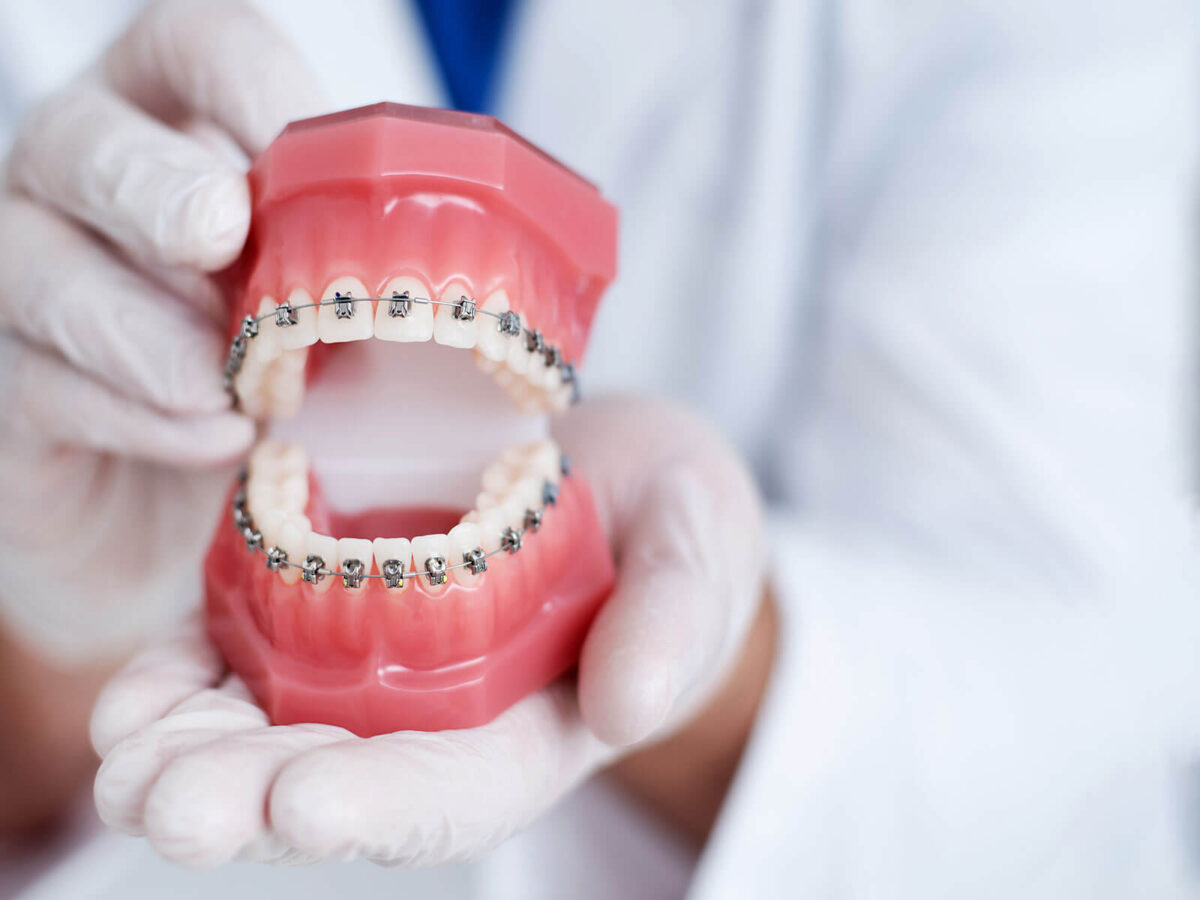
- Traditional metal braces are often where the conversation starts. They’ve been around forever. They’re familiar. In many cases, they work well without adding extra layers to the process, which is why they’re usually easier on the budget. Some people are perfectly fine with that and don’t think twice about it.
- Others care more about how braces look day to day. That’s where ceramic braces sometimes come up. They tend to blend in more with natural teeth, which can matter depending on work, school, or just personal comfort. That difference in appearance usually affects cost, even though the goal of treatment stays the same.
- Clear aligners enter the conversation in a different way. When they’re an option, they often involve more planning and lab work behind the scenes. That part isn’t always obvious upfront, but it does play into pricing. They aren’t right for every situation, and that usually becomes clear once the teeth and bite are looked at closely.
At the end of it all, braces aren’t really chosen by appearance or price alone. What matters most is whether the option actually fits the teeth and can do what it needs to do over time. Everything else tends to fall in around that.
Treatment Length Affects Overall Cost
Braces aren’t really a quick thing. Some people finish sooner than they expect. Others take longer, even when everything is going fine. Teeth don’t always move on a schedule, and the bite usually has a say in how long things take.
As time stretches out, more visits tend to happen. More adjustments. More moments where things get checked and fine-tuned. When treatment lasts longer, the overall cost usually follows that timeline. Shorter plans often cost less simply because there’s less involved. It’s an easy connection to miss when people focus on how much braces cost without thinking about the time yet.
Age And Existing Dental Conditions Matter
Timing ends up mattering more than people expect. With children, treatment often leans toward growth and direction. Adult treatment usually looks different, especially when there’s already dental work in place.
Age alone does not decide how much do braces cost, but the condition of the teeth and gums at the beginning of treatment does play a role.
What Is Usually Included In Braces Pricing
Many people assume braces pricing only covers brackets and wires. In reality, orthodontic treatment usually includes much more.
Exams and diagnostic records are part of the overall cost. Routine adjustment visits and progress monitoring contribute to. Retainers after treatment are usually discussed upfront as well.
Once people see what’s included, how much do braces typically cost starts to make more sense beyond just the price itself.
Insurance And Orthodontic Benefits
Insurance can make a difference for kids and teens, but it really depends on the plan. Some cover part of the treatment cost. Others offer a fixed lifetime benefit, which changes how much help is actually available.
Insurance does not change the base cost of treatment, but it can significantly change what a patient pays personally. Riverwalk Dental & Orthodontics reviews benefits in advance so patients are not left guessing later.
Payment Plans Make Treatment More Manageable
A lot of people delay braces because of cost. Not forever. Just long enough for it to keep getting postponed. Paying everything up front can feel like too much, even when treatment makes sense.
Monthly payment plans tend to help with that. Spreading costs out over time makes braces feel possible instead of out of reach. It gives families room to breathe financially.
That’s why, when thinking about how much braces cost, monthly payments often matter more than the final number. It’s easier to work with something steady than one large amount all at once.
Why Online Price Ranges Can Be Misleading
Online estimates rarely tell the full story. They do not account for case complexity, follow-up care, or what is included in treatment.
Some low prices exclude important parts of care and charge extra later. That makes the initial number look appealing but incomplete.
At Riverwalk Dental & Orthodontics, pricing is explained properly. This helps the patients know what’s included and what to expect.
Long-Term Value
The impact of braces usually goes beyond appearance. Bite function improves, and daily cleaning often becomes simpler. Over time, that can mean fewer dental problems showing up unexpectedly.
At first, the cost tends to stand out the most. With time, though, that perspective often changes. When problems stay smaller later on, there’s less fixing involved and less stress tied to future care.
That broader view helps when people start asking how much do braces cost. The answer usually makes more sense when it’s stretched over years, not just the moment treatment begins.
Why A Consultation Is Essential
No two smiles really work the same way. Teeth shift differently. Bites come together differently. Until someone actually looks at what’s going on, any number is mostly a rough guess.
A consultation gives orthodontists a chance to check every part of the mouth and what someone is hoping to change. That context matters more than people expect. It’s usually the point where vague estimates turn into something more concrete.
Only then does how much do teeth braces cost start to have a real answer. It’s less about guessing and more about understanding what’s actually needed.
Final Thoughts
The question how much do braces cost comes up early for most people at Riverwalk Dental & Orthodontics. The answer usually depends on treatment type, complexity, and how long things are expected to take.
What stays the same is the focus on clarity. When how much do braces cost is explained step by step and tailored to the person, not an average case, the process feels more manageable.
If braces are on your mind, a consultation at Riverwalk Dental & Orthodontics helps. A personalised exam helps clarify how much do braces typically cost in your situation and outlines payment options that fit your budget. Clear answers make decisions feel easier.