River Walk Dental Orthodontics

Categories
Dental care

How Diabetes Affects Your Teeth And Gums

Diabetes is not only a blood sugar condition. It has an effect on almost every part of the body in some way. One area many people overlook is the mouth. Teeth, gums, and even the tongue can all feel the effects. It doesn’t always show right away, but over time, the signs build.

At a San Antonio Dental Office TX, dentists often see patients struggling with these hidden effects. Be it dry mouth or gum infections. These small issues connect back to blood sugar levels. When they stay too high for too long, the mouth becomes more vulnerable. That’s where careful care makes a difference.

Connection Between Diabetes and Oral Health

One of the simplest ways to look at it is that blood sugar feeds bacteria. When sugar stays high in your system, bacteria in the mouth grow as well. This means more plaque on teeth, more irritation in the gums, and also deeper infection.

Another factor is circulation. Diabetes can slow blood flow. Healing takes longer. A cut on the gums or even irritation from brushing may not recover quickly. This gives infections time to grow. Over months or years, teeth and gums weaken. A San Antonio Dentist TX notices these patterns often.

Common Diabetes Tooth Problems

One of the earliest changes people notice is dry mouth. Less saliva means less natural cleaning. Food particles stick longer, and bacteria grow faster. Cavities appear more easily.

Gums are often next. They may look red, feel sore, or bleed when brushing. This is gingivitis, the first step of gum disease. Without treatment, it can lead to periodontitis. That’s when gums pull away from teeth, creating deep pockets of infection. A San Antonio Dental Office TX sees this more often in patients with diabetes.

Teeth themselves can loosen over time. The bone holding them can weaken if infection spreads. Patients also notice that cases of small abscesses or sores take too long to heal.

Why Gum Health Matters with Diabetes

The gums are not just tissue around teeth. They play a huge part in our body’s defense system as well. When our gums are healthy, they stop bacteria from entering the bloodstream. When gums become weak, bacteria find a way into the body. For someone with diabetes, this can be dangerous.

Infections in the gums can raise blood sugar further. This makes controlling diabetes harder. It becomes a back-and-forth struggle. Gum disease feeds on poor sugar control. Poor sugar control makes gum disease worse. Many people don’t realize this cycle until it’s advanced.

Dentists at San Antonio Dental Office TX, often explain this in simple terms. If you keep the gums strong, you also help keep the blood sugar steadier. Mouth and body work together more than most expect.

Small Signs to Notice Early

A little bleeding when brushing. Gums that look puffier than before. Bad breath that doesn’t seem to go away. These are quiet warnings. They often show up months before serious damage.

Loose teeth are another sign. Sometimes it feels like the bite is shifting. Other times, chewing feels uncomfortable. These are not things to ignore.

Even mouth dryness at night or frequent sores can be early clues. A San Antonio Dentist TX encourages patients to share even small concerns. Catching them early is much easier than waiting until teeth begin to shift or bone is lost.

Daily Care and the Difference it Makes

Brushing twice a day always helps, especially if it is done gently. Flossing also clears what the brush misses in your teeth. Mouth washes can add protection too. These simple steps are the base.

But for diabetes, consistency matters more than intensity. Missing these basics for even a week can allow bacteria to build up fast.

That’s what following a steady routine keeps problems away. Like for dry mouth, you can drink water every now and then. Chewing sugar-free gum can keep saliva flowing.

Diet also plays a role in all this. Keeping snacking under control helps both blood sugar and teeth. Fresh foods like fresh vegetables and proteins help with the healing.

Professional Care and Its Importance

Fixing problems at home is important, but it’s not always enough. Regular visits to dentists, such as a San Antonio Dentist TX are important for deeper care and cleaning. Dentists can identify infections before they grow too large. They also check for bone loss or shifting teeth.

Sometimes, you need deeper cleaning under the gums. This clears bacteria that flossing can’t reach. In other cases, medication may be applied to reduce infection. These treatments prevent small issues from turning into major tooth loss.

A San Antonio Dental Office TX works very closely with patients who have a diabetic problem. Normal plans are adjusted to their needs.

How Diabetes Control Supports Oral Health

Managing blood sugar helps gums heal faster. Patients often notice fewer mouth problems when their levels are steady. Cuts and sores close more quickly. Swelling is less as well.

When stress is managed, medication is taken, and a balanced diet is followed, it fixes blood sugar and oral health. Dentists and doctors often tell patients to work together as a team. After one side gets better, the other follows too.

Real-Life Impact of Neglect

Some patients wait too long. They ignore bleeding gums or think loose teeth are normal with age. By the time they seek help, several teeth may be beyond saving. Bone loss can be so advanced that even replacements are harder to manage.

The emotional effects are not easy to handle either. Losing teeth can affect a person’s speech and confidence as well. Patients with diabetes have difficulty with the diet. Chewing certain foods becomes difficult, which limits healthy choices.

Dentists at San Antonio Dental Office TX often stress this reality. Acting early prevents much of the hardship. Care doesn’t just save teeth. It supports daily living and overall health.

Final Thoughts

Diabetes and oral health are tied closely. Whatever happens in the mouth affects blood sugar, and what happens with blood sugar affects the mouth as well.

Daily care, steady habits, and regular visits to a San Antonio Dentist TX, all make the difference. Even small steps matter. Drinking water in intervals, brushing gently, and flossing daily. You may think all this is basic, but these are all to protect both your teeth and your overall health.

Your health and smile go together, so keeping your smile healthy is keeping your body healthy. And with the right steps, you can manage both of them together.

Call to Action

If you live with diabetes, don’t wait until problems grow. Visit a trusted San Antonio Dentist TX, for a full check-up today. A San Antonio Dental Office TX can help you through all the preventive steps and care that is needed for you. Protect your teeth, your gums, and your overall health starting now.
Categories
Dental care

Are Same-Day Crowns As Durable As Traditional Ones?

If your tooth cracks or needs serious fixing, your dentist may bring up crowns. Crowns are like helmets for teeth—they cover and protect. But here’s the thing: not all crowns are made the same way. Some take weeks and come from a dental lab. Others are designed and placed in just one appointment. These are called same-day crowns.

That raises a big question: do these quick crowns hold up as well as the traditional ones? Or is faster not always better? Let’s break it down so you know what to expect when sitting in a San Antonio Dental Office TX chair.

What Are Same-Day Crowns?

Same-day crowns, often called CEREC crowns, are made using digital scanning and a milling machine inside the dental office. No gooey molds. No waiting weeks for a lab to ship the crown back. You walk in with a broken tooth, and a few hours later, you walk out with a full restoration.

A San Antonio Dentist TX uses a small camera to take 3D images of your tooth. That data goes into software that designs the crown. Then a machine carves it out of a block of ceramic. Your dentist polishes it up, cements it on, and you’re done.

Sounds like magic, right? But the big question is: how tough are these crowns in real life compared to the ones that labs craft?

What About Traditional Crowns?

Traditional crowns go the old way. The dentist takes a mold of your tooth. It’s messy and kind of annoying. Then the mold goes to the lab. The technician builds the crown there. They usually layer porcelain over something stronger, like metal or zirconia.

It takes a couple of weeks, sometimes three. Meanwhile, you have a temporary crown. It works for now, but it can crack or come off if you eat the wrong thing. You just have to be careful.

When the real crown comes back, the dentist cements it in place. It holds up well. These crowns have been around a long time. They last, they are strong, people trust them.

The waiting is the worst part. Two or three weeks with a temporary. It’s not fun, especially if you need your tooth to feel normal again.

Same-Day or Traditional Crowns—how do they hold up?

Most of the time, they do fine. But there’s a catch you should know about.

Same-day crowns are made from good ceramic. It’s strong enough for most teeth. Front teeth, premolars; they usually do just fine. Molars, the big grinding teeth in the back? Those take a lot more pressure. Traditional crowns can sometimes be a bit stronger there, especially the ones with metal or zirconia cores.

Same-day crowns hold up really well. But if you bite hard, grind your teeth at night, or just put a lot of pressure on your back teeth, a traditional crown might still be the safer choice. It’s not that one is bad. It’s just that some teeth handle pressure differently.

Longevity of Both Options

With good care, both types of crowns can last ten to fifteen years, sometimes even longer. But here’s the thing: crowns don’t fail just because of the material. Most of the time, they break or need replacing because of what’s happening around them. Gum recession, new decay under the crown, grinding your teeth: these things take a toll.

So the real question isn’t really same-day versus traditional. It’s how well you take care of your mouth and how carefully your San Antonio Dentist TX places the crown. A crown that fits well, no matter how it’s made, will almost always last longer than one that doesn’t fit properly.

Comfort and Fit

One big advantage of CEREC same-day crowns is the fit. They’re designed digitally, so most of the time they sit right on the tooth from the start. Less adjusting, less drilling, less going back and forth. You get it done in one visit, and it usually starts feeling natural pretty fast.

Traditional crowns can fit just as well, but sometimes they need extra adjustments. That’s because they’re shaped by hand in a lab. Both types can end up comfortable. It really comes down to how careful the dentist is and how skilled the lab technician is.

Convenience Factor

Let’s be real. Time matters. Same-day crowns win this category without a doubt. No temporary crown. No second appointment. No waiting around for a lab. For busy professionals or parents, this is a huge perk.

Traditional crowns, while strong, demand more patience. Two appointments, possibly three. Wearing a temporary that might pop off in the middle of dinner. It’s not always fun.

The Cost Difference

Many patients wonder: is one more expensive than the other? The cost can be pretty similar. Sometimes, same-day crowns cost a little more because of the technology involved. Other times, they’re priced the same as lab-made crowns.

It depends on your San Antonio Dental Office TX and what materials they use. Dental insurance usually covers both, so in many cases, the out-of-pocket expense isn’t wildly different.

When Same-Day Crowns Make Sense

Same-day crowns can be a great choice if any of these sound like you:

  • You want your tooth fixed in just one visit.
  • Your tooth is cracked or has decay in the front or middle of your mouth.
  • Temporaries just get in the way, and you’d rather skip them.
  • You want a crown that feels and looks like your real tooth.

When Traditional Crowns Might Be Better

Traditional crowns might be the better choice if:

  • You need extra durability for a back molar.
  • Your bite is heavy, or you grind your teeth.
  • You want layered porcelain for the most natural look.
  • Your dentist recommends a specific lab-made material.

Talking With Your Dentist

Here’s the most important part: don’t make the decision alone. Ask your San Antonio Dentist TX, which option works best for your situation. Your dentist knows your bite strength, your grinding habits, and the condition of your tooth. They’ll guide you toward the crown that lasts longest for you.

Final Thoughts

Both same-day and traditional crowns have their place. Same-day crowns are faster. More convenient. Traditional crowns can be stronger. They last longer when that really matters. In the end, it depends on your tooth. Your bite. Your lifestyle. Talking it over at your San Antonio Dental Office TX usually helps. Shows you which one fits best.

Crowns are about keeping your smile safe for years. Whether it’s made in a lab or milled in the office, the goal is the same. A strong, natural-looking tooth. One that lets you eat, smile, and just feel comfortable. That’s what really counts.

Categories
Dental care

Why More Seniors Are Choosing Dental Implants Over Dentures

The Shift We’re Seeing

There was a time when dentures were the default. Teeth gone? Get a denture. Nobody even questioned it.

Now? Things are changing. Seniors are walking into a San Antonio Dental Office TX, and asking about dental implants for seniors. And they’re not shy about it. They’ve seen friends make the switch. They’ve read the stories. They know dentures aren’t the only way anymore.

Why? Comfort, confidence, long-term value. Let’s dig in.

Comfort Comes First

Here’s the thing. Dentures sit on top of your gums. That means rubbing. That means sore spots. That means adjustments.

And for a lot of seniors, that’s just not worth it. You hit a point in life where comfort matters more than putting up with “the old way.”
Implants don’t sit on gums. They act like roots. They don’t slip. They don’t rub. People forget they even have them.

Ask around. Seniors who’ve switched will tell you: “I feel normal again.”

Eating What You Actually Want

Food is a big deal. Let’s not pretend it isn’t. For many, dentures limit the menu. Crunchy foods? Nope. Chewy foods? Risky. Anything tough? Forget it.

That’s frustrating. Nobody wants to live on soft food forever.
Implants fix that. They give back bite power. They let you order steak. Or bite into a crisp apple without worry.

This is one of the most common reasons people visit a San Antonio Dentist TX. They’re tired of food rules. They want freedom.

Living With More Confidence

You know that little fear in the back of your mind that dentures might slip? It’s real. People laugh a little less. Talk a little less. Avoid certain situations.

That eats away at confidence.

Implants don’t move. They stay put when you laugh. When you talk. When you sneeze. That’s why a lot of seniors go with implants instead of dentures. They don’t want to worry about slipping or embarrassing moments. Day-to-day life just feels easier.

Long-Term Value

Yes, dentures look cheaper upfront. But the relines, replacements, adhesives… it adds up.

Implants? They last. They’re built to stay with you.

So while the price tag at the start looks bigger, the long-term math often works out in favor of implants. More seniors see it as an investment in themselves.

That’s the line a San Antonio Dental Office TX keeps coming back to: dentures are temporary, implants are lasting.

Jawbone Health Matters

Here’s something dentures can’t do: protect your jawbone.
Lose a tooth, and the bone underneath starts shrinking. Over time, that’s why denture wearers notice their faces look more “sunken.”
Implants prevent that. They stimulate bone just like real teeth. They keep your face fuller, your jaw stronger. For seniors, that’s huge. It’s not just a smile. It’s how they look and feel overall.

No More Adhesives

Denture adhesives can be tricky. They stick, sometimes feel messy, and the taste isn’t great. You have to keep reapplying them all the time.

Implants skip all that. No creams, no pastes, no worrying about adhesives. It’s one less thing to deal with every day, and for many, that makes life noticeably easier.

Better Technology = Easier Implants

Implants used to sound intimidating. Surgery, long healing, risk. Now? Technology has changed the game. 3D scans. Guided placement. Faster recovery. High success rates.

At a San Antonio Dental Office TX, seniors even get to preview what their new smile will look like. That kind of reassurance didn’t exist before.

The Emotional Side

Dentures do the job. They give you teeth back. But they don’t always fix the way people feel about losing them. Some folks even say putting them in every morning feels like a little reminder of age creeping in. Implants hit different. They look real. They work like real teeth, too. Give it some time, and you stop noticing them at all. That kind of change brings confidence back. And truth is, you really can’t measure what that’s worth.

Why San Antonio?

Part of the reason this shift is happening is access. More local practices offer implants now. More training. More technology.
So when seniors walk into a San Antonio Dentist TX and hear implants are an option, the answer is often: “Why not?”

Not for Everyone—But for Many

Some people need a little extra done first, maybe a bone graft to build up strength. Others deal with health issues that can slow things down, so healing takes more care. That’s why sitting with the dentist to map everything out matters. Years ago, a lot of seniors would have been told no right away. Now, more of them qualify, and more are going ahead with it.

Everyday Life After Switching

This is the part that really counts. Daily life.

All of a sudden, eating isn’t this big task anymore. They feel like meals again. You grab your food, take a bite, and it goes smoothly. Smiles slip out without thinking, no second-guessing. Even going out with friends feels different, lighter somehow, because you’re not carrying that little worry in the back of your mind.

Most people say it’s not just teeth they get back. It’s themselves. The comfort of laughing without checking, eating without planning, and talking without holding back. That’s the change that matters most. It’s less about the teeth and more about finally living the way you want.

Quick FAQs Seniors Ask

  • Does it hurt? Not like you think. With anesthesia, it’s pretty manageable.
  • How long does it take? A few months, usually. Worth it.
  • Will they look fake? No. They look real. Even close up.
  • Any special care? Just brushing, flossing, and checkups. Same as natural teeth.

Wrapping It Up

Dentures had their time. Back then, they were pretty much the only way to fill the gaps. They let people smile again, sure, and you could get through a meal without too much trouble. But it was never the same. Sometimes they slipped when you tried to talk, or rubbed spots on your gums that just wouldn’t heal. Other times, they just sat there, almost like a foreign object. You knew they weren’t yours, not really. People went along with it because they had to. But deep down, it never sat right.

These days, many seniors are thinking about things differently. Dental implants offer a kind of stability that dentures just can’t match. No worrying about adhesives or a plate sliding out of place. They stay put. They feel more like your own teeth. For a lot of people, that brings back the confidence to eat, talk, and laugh without thinking twice.

If you’re at the point of weighing your options, it’s worth sitting down with a San Antonio Dental Office TX. A short conversation could be enough to show you a future where your smile feels secure again, and where you no longer have to settle for “good enough.” For many, that one step changes not only their teeth, but also how they live every day.

Categories
Dental care

Mini Dental Implants: Are They Worth It For Small Gaps?

Introduction
A missing tooth can feel like a small thing. But if it leaves a gap right in your smile, it doesn’t feel small at all. You notice it when you laugh. You notice it in photos. Sometimes you even notice it when chewing.

At our San Antonio Dental Office TX, we see this often. Many people ask if they really need a full implant when it’s “just a little gap.” That’s where mini dental implants come in.

But are they worth it? Let’s talk it through in plain words.

What Mini Dental Implants Actually Are

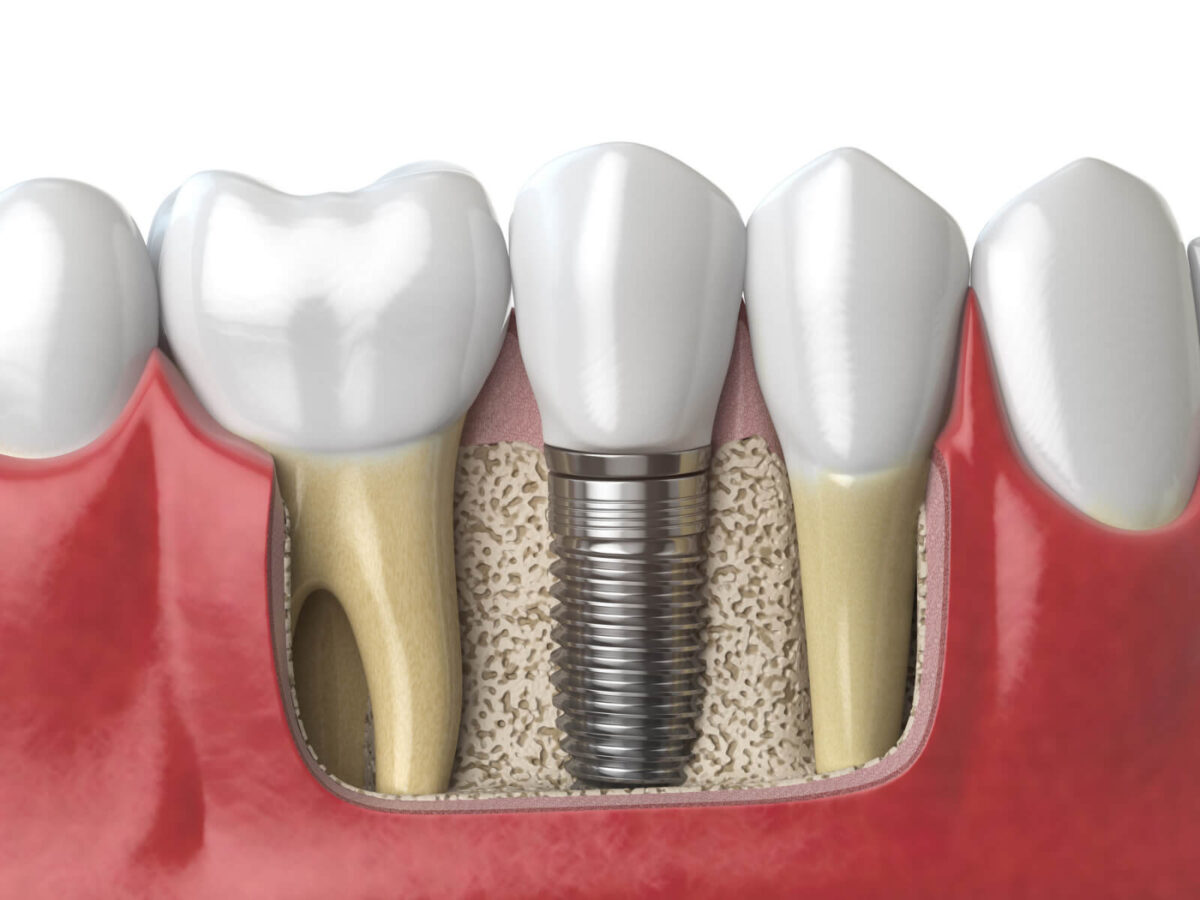
Think of a regular dental implant as a screw with a crown on top. It’s sturdy, long, and works almost like the root of a real tooth.

Now shrink that design. That’s a mini implant. The post is thinner, usually less than 3 millimeters. And unlike regular implants, it’s a single piece instead of two parts.

Since they’re tiny, dentists usually put them in tighter spaces that can’t handle a bigger implant.

That makes them appealing for narrow gaps and smaller teeth.

When Dentists Suggest Them

Mini implants aren’t for everyone. But there are a few clear cases where they make sense:

  • When the gap is small, like a missing lateral incisor.
  • When the jawbone doesn’t have much width.
  • When patients don’t want major surgery.
  • When someone just wants one small space filled instead of multiple teeth replaced.

In other words, they’re a lighter solution for smaller jobs. They fill the gap without asking for as much bone, healing time, or cost.

Why Patients Like Them

The benefits are pretty straightforward.

Less invasive
The implant is smaller, so the procedure is gentler. Healing can be quicker and easier to manage.

Bone grafts are often not needed
A lot of people worry about needing extra bone. With mini implants, the size usually works with what bone you already have.

Fast results
Some patients even get their new tooth on the same day. That’s not always possible with traditional implants.

Budget-friendly
They usually cost less. You feel it when you’re trying to keep healthy without breaking the bank. For many families, that’s a deciding factor.

The Other Side Of The Story

But here’s the part you need to hear honestly: they’re not perfect.

  • They don’t last as long as regular implants.
  • They can’t handle big chewing pressure the way full implants do.
  • They need extra care to stay secure.

So if you’re replacing a molar or if you grind your teeth at night, mini implants may not be the safest bet. They’re strong enough for front teeth, but back teeth demand more.

What The Procedure Feels Like

Most people expect a complicated surgery, but it’s not like that.
The area is numbed first. Then a tiny pilot hole is made in the gum and bone. The small implant is placed gently. Since it’s thinner, less drilling is needed.

Sometimes the crown goes on the same day. Sometimes you wait a little while for healing. Either way, the whole thing tends to feel lighter than the traditional route. Patients usually say it moves along quickly, with less discomfort than they expected going in. Some are even surprised at how easy it feels once they’re in the chair.

How Long They Last

Here’s the truth: they last a good while, but usually not forever. Many patients get ten years or more from them. A traditional implant, if well cared for, can last decades.

So think of mini implants as a middle option. Not temporary, not fully permanent, but dependable for the right situation. With proper care, they can give you many years of comfortable function and a natural smile.

Comparing Your Smile Options

Patients often ask, “Why not just do bonding or a bridge?” Fair question.

  • Bonding can reshape or cover small flaws but can’t replace a missing tooth.
  • A bridge does replace the tooth but requires shaving down the teeth next to the gap.
  • Leaving it alone seems easiest but often leads to teeth shifting out of place.

Mini implants cover the middle ground: permanent, without damaging nearby teeth. They hold the space, restore the bite, and keep your smile balanced.

Caring For Mini Implants

  • The rules aren’t complicated.
  • Brush daily, twice if you can.
  • Floss gently around the implant.
  • Avoid biting into very hard foods early on.
  • Keep up with cleanings at your San Antonio Dental Office TX.

Because the post is thinner, gum health matters even more. A little irritation should be checked before it grows into a problem. Preventive visits are the key to keeping them stable.

Who Should Skip Mini Implants

They’re not always the right call.

People with heavy grinding habits, severe bone loss, or serious health issues like uncontrolled diabetes may not be good candidates. Smokers also face higher risks.

This is why a dentist visit matters. Every mouth is different. For some people, mini implants do great, but for others, they don’t last as well.

FAQ: Common Questions About Mini Implants

Do mini implants hurt more than regular ones?
No. Most people actually say they feel easier, and recovery doesn’t take as long.

Can I eat normally with them?
Yes. Just stay away from hard or sticky foods in the beginning. After healing, you can eat almost anything.

Are they only for the front teeth?
They work best in smaller spaces like the front. Sometimes they’re used in the back, but only if the bite isn’t too heavy.

What if one fails?

It happens. If it does, it can usually be replaced, or your dentist might suggest switching to a full implant.

Are they covered by insurance?
Depends on your plan. Some help with the cost, some don’t. Always check first.

Why Talking To A Dentist Matters

Research is good. Reading articles is helpful. But only a dentist can look at your mouth and give you a real answer.
At our San Antonio Dental Office TX, we check bone, space, and long-term goals before suggesting anything. It saves you from putting money and time into a treatment that won’t really work.

Conclusion

So, are mini implants really worth it if you just have a small gap? For many patients, yes. They’re quick, less invasive, and often more affordable. But they’re not the strongest choice for bigger jobs.
The real answer depends on your smile, your bone structure, and your goals. That’s something only a skilled San Antonio Dentist TX can confirm.

Fixing a little space might seem minor, but it often gives people a big boost in confidence every time they laugh or take a picture. Sometimes that’s the real benefit, more than anything else.