
River Walk Dental Orthodontics

Categories
Dental care

How Poor Oral Hygiene Can Lead To Black Gums

Most of us don’t spend much time staring at our gums in the mirror. But the moment they start to look darker than usual? That’s when it gets your attention fast and rightly so. Gums are supposed to be pink in colour, when they turn brown, gray, or even black, it’s easy to start panicking.

But before you jump to conclusions, here’s the deal: not every case of black gums is a sign of something serious. That said, poor oral hygiene is a major reason gums can change color, and ignoring it may not be a great idea.

What Do Healthy Gums Even Look Like?

Just like most people, you probably thought that healthy gums are supposed to be pink. While that’s true for many folks out there, it does not apply to everyone. Taking your genetics, skin tone, and habits into consideration, the color of your gums can be different.

Due to high melanin, some people naturally have darker gums, and that’s completely normal. But if your gums suddenly darken or develop uneven patches or spots? That’s when it could be a sign of a deeper issue.

Here’s What Can Actually Cause Black Gums

There’s no one answer for everyone, but there are a few common causes of black gums that show up time and again:

  • Skipping dental care: Neglecting brushing and flossing causes plaque and bacteria to build up. Which leads to irritation in the gums, inflammation, and color changes as well.
  • Chewing tobacco and smoking: Tobacco not only stains your teeth, it can darken your gum tissue, too. This is very common among chain smokers.
  • Medical conditions or medication: Issues, like Addison’s disease or hormonal disorders, can affect gum color. Some meds can also trigger pigmentation changes.
  • Natural pigment. Again, some people just naturally have more pigment in their gums. But even if your gums are naturally darker, any new or sudden changes should still be checked.

Dentists across regions like San Antonio Dentist TX often see patients surprised by how something so subtle, like a shift in gum color, can actually be an early warning sign for something bigger.

Why Ignoring It Can Make Things Worse

Let’s say your gums have started looking darker because of poor hygiene, and you figure it’ll go away on its own. Unfortunately, it usually doesn’t.

If you keep letting plaque build up, it hardens into tartar, and that pushes even deeper under the gumline. The result? Inflammation, infection, and possibly gum disease. First, it’s gingivitis, then it’s full-blown periodontitis. And yeah, at that point, you’re looking at possible tooth loss.

That’s why gum discoloration should never be brushed off (no pun intended). It could just be your body saying that something is not right.

When to Take It Seriously

Not every change in gum color is an emergency, but some signs are clear signals to get things checked out ASAP:

  • Gums that are suddenly darker or look patchy
  • Bleeding when brushing or flossing
  • Bad taste in your mouth, swelling, or pain
  • Chronic bad breath that just won’t go away
  • Loose teeth or gums pulling back

If you’re dealing with any of that, don’t wait. Dentists like those at San Antonio Dental Office TX are used to spotting issues like this early and helping you get on the right track fast.

How to Keep Gums From Going Dark in the First Place

Luckily, in a lot of cases, black or discolored gums caused by poor hygiene can be reversed or at least prevented from getting worse. Here’s what to do:

  • Brush your teeth twice a day. A toothbrush with soft bristles and a fluoride toothpaste. That’s all you need. Brush with them every morning and night. No skipping.
  • Floss like you mean it. Even if it feels annoying, it is. Plaque loves hiding between teeth, don’t let it win.
  • Use a mouthwash that fights bacteria. Not just to freshen your breath, but to help cut down on the stuff that messes with your gums.
  • Quit smoking. Easier said than done, sure, but tobacco is a major reason for both black gums and gum disease.
  • Get regular cleanings. Seeing a dentist, like someone at San Antonio Dentist TX, every six months can help catch problems before they grow into something major.

But What If It’s Not Just Hygiene?

Here’s the thing, even if your brushing game is on point, your gums can still change color due to other reasons. That’s why you shouldn’t just guess or Google it.

Gum discoloration can be tied to internal health issues, stress, or even just the way your body reacts to a new medication. If the color shift seems off or if it’s bothering you, get it checked.

A dentist can tell the difference between something harmless and something that needs a closer look. And catching it early? Always better than playing catch-up later.

Should You Be Worried About Black Gums?

Honestly? It depends. If your gums have always been darker and there’s no pain or bleeding, you’re probably fine. But if the color just changed, looks strange, or comes with other symptoms, it’s better to be safe than sorry.

Even if it turns out to be nothing, talking to a dentist in San Antonio, TX, can give you peace of mind and help you stay on top of your oral health long term.

Final Thought

While surprising, black gums are not always serious. Most of the time, it’s your body’s way of telling you it needs a little more care.
In addition to your daily routine of brushing and flossing, also pay attention to changes, and when in doubt? Visit a San Antonio Dentist in TX to get a real answer instead of guessing. Your smile needs that kind of attention.

Categories
Dental care

Effective Strategies To Prevent Common Pediatric Dental Issues

A child’s smile is a treasure, a combination of happiness and innocence that melts our hearts. Behind every cute smile, there is a tale of small teeth and developing emotions. Children’s dental health goes beyond only teeth and gums.

It also involves helping them preserve the core of their contagious laughter and so promote their well-being. Independent studies show that one in every five youngsters between the ages of five and eleven years has untreated cavities.

Therefore, pediatric dental issues prevention plays a key role here. The whole well-being of children depends critically on their oral condition. Long-term health problems, pain, and discomfort can all result from poor oral hygiene.

Ensuring your child’s oral health depends on you. A parent must know the prevalent dental problems affecting children and how to prevent them. We have covered some typical dental issues that children face in this article, together with some insightful child oral health tips.

Most Common Dental Issues in Children

  • Cavities are a form of tooth decay. Untreated cavities can cause tooth loss, infections, and pain.
  • Periodontal disease developed from gingivitis can cause tooth loss and other health issues. Ignoring cavities shows the need for early detection of them in order to prevent more damage.
  • A child’s bite, speech, and dental health can all suffer from misaligned teeth. It could complicate oral hygiene and raise gum disease and cavity risk. For malocclusion and associated conditions, children could gain from orthodontic treatment.
  • Long-term thumb-sucking can produce an open bite, misalignment, and roof-of-mouth alterations. These practices may cause orthodontic issues after infancy. Preschoolers who still thumb-suck should be watched closely to avoid long-term effects.
  • Acidic foods and beverages can erode enamel, therefore compromising dental sensitivity and causing tooth decay. Ignored erosion can lead to tooth weakening and cavities. Of teenagers, almost thirty percent suffer from tooth erosion.
  • From sports injuries or mishaps, dental trauma can cause chipped or knocked-out teeth. Saving the tooth and stopping long-term consequences call for a quick response.
  • Early tooth loss can affect the permanent dental alignment. This disturbance can thus call for later-in-life orthodontics.
  • During swallowing, tongue movement against the front teeth can cause misalignment and orthodontic problems. Ignored early on, it could cause speech problems.
  • Infants and toddlers can be restless and uncomfortable during teething. Consistent pain may influence sleeping and eating. Every baby requires comfort and a teething aid.
  • Dental anxiety can lead to avoidance of dental treatment, therefore aggravating untreated conditions. Long-term consequences could be poor oral health and advanced dental problems. Dental anxiety must be addressed for mental health.

Suggestions for Pediatric Dental Issues Prevention

Include the following useful advice and pediatric dental issues prevention practices in children’s oral care regimen.

Start Early
Start dental hygiene before the first tooth surfaces. To remove bacteria and promote a healthy dental environment, gently clean your baby’s gums with a fresh, damp towel following every meal.

Prepare a Schedule
Establish a schedule whereby your child’s teeth are brushed at least twice daily. Select a toothbrush suitable for your child’s age from Soft Brights. For children under three, use a smear of fluoride toothpaste; for those three to six, use a pea-sized amount.

Supervise Brushing
Usually, at around seven or eight years old, supervise your child’s brushing until they can do it efficiently on their own. Make sure they reach all surfaces of their teeth and spend at least two minutes brushing.

Teach Method
Show them correct brushing practices. Emphasize soft circular strokes and cleaning all parts of the mouth, including the tongue and gums. When your child’s teeth start to touch, include flossing in their daily dental regimen.

Instruct them in the correct method and inspire them to include it often in their dental hygiene practices. Flossing avoids problems between teeth and helps to preserve good gums.

Eating Habits
Cut back on sweet drinks and snacks. Choose better substitutes and conserve sugary treats for big occasions. Promote a well-balanced dinner loaded with plenty of dairy products, fruits, and vegetables. These nutrient-dense foods promote gum condition.

They also provide essential nutrients required to keep strong teeth, thus helping to maintain general oral health. Water clears food particles from the mouth and helps neutralize acids there. Urge your youngster to sip water, particularly following meals heavy in sugar or acid.

Dental Visits
Plan frequent dental visits to San Antonio Pediatric Dentist TX beginning about the age of one or when the first tooth erupts. Early detection of possible problems and preservation of ideal oral health with professional cleaning depend on regular dental check-ups.

Fluorine Treatment
See your dentist about fluoride treatments, a preventive procedure aimed to strengthen enamel and stop cavities. Your child’s need will allow your dentist to provide suitable fluoride treatments or products.

Dental Sealants
Considering molars, consider dental sealants since they create a protective barrier and reduce the cavity risk by excluding food particles and bacteria from their path.

Set Example
Set good oral hygiene standards by illustration. Show good dental care. Therefore, oral hygiene becomes a good and shared family hobby. Children who see these behaviors often in the household will probably pick them up. Share with your youngster the need for gum health.

Final Thoughts

Maintaining good teeth for your child calls for both knowledge and careful attention to detail. Acting preventatively and knowing prevalent dental problems influencing youngsters will assist in guaranteeing a lifetime of good oral health.

Preventing these common dental issues and maintaining your child’s healthy smile depends totally on regular dentist visits, good oral hygiene, and a balanced diet. When choosing a pediatric dentist, it’s important to follow expert prevention tips to keep your kids smiling bright and healthy.

Categories
Dental care

Why All-on-4 Dental Implants Is So Effective

Your smile can be transformed using an ultimate dental solution. You might be looking for a reliable, long-term solution to restore your smile. Missing teeth can also impact your oral functions. Getting multiple dental implants in one go is not a great option. This is where all-on-four dental implants come to the rescue.

This article is a detailed guide about all-on-four dental implants. You can explore this article to learn why these are so effective. It is a transforming solution for those needing bone grafting or other complicated surgeries to restore their oral functions.

All-On-4 Implants Explained

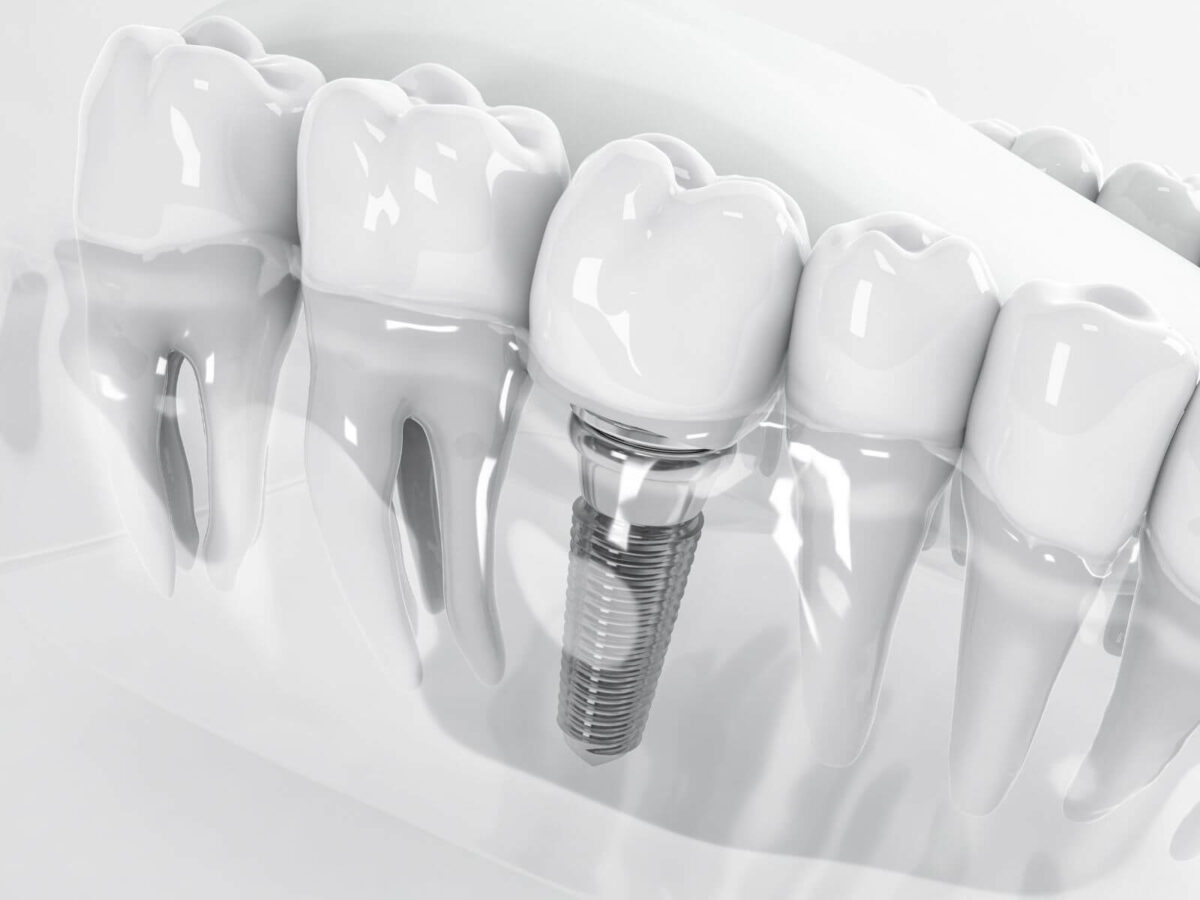
All-on-4 dental implants use four strategic locations for dental implants. These can support the entire jaw. It is a modern solution that can help you support the whole of your upper or lower jaw. It is a robust and stable support structure. You do not need a bone grafting procedure as it uses minimal implants for efficient outcomes.

You can restore your smile in just a day after this procedure. One can bite, chew, or smile naturally with this treatment. It prevents the loss of teeth due to bone loss. It is helpful in severe accidental cases of tooth loss due to gum diseases.

You do not need a complete denture as this alternative is very convenient. Also, you can avoid undergoing multiple dental implant procedures as it can support the jaw by using just four implants. This treatment offers a durable set of teeth lasting over a few decades.

Benefits Of the Treatment

There are not one but many advantages of this procedure. It is much more efficient and effective than many other traditional methods. Let us explore why all-on-4 dental implants are more reliable than others:

Reduced Treatment Time
While other implants might take months to reach final restorations, all-on-four dental implants might take just a day. You can enjoy the quick treatment process and ensure your oral function is restored immediately. You do not need to wait months for the individual implant procedure to regain your smile.

Minimal Chances To Get Additional Treatments
It is a strategic procedure that offers maximum bone support. It prevents you from getting a bone graft surgery as your low bone density might go up over time. With maximum jaw support, there is no need for additional treatments to restore your smile.

Better Stability
Most people need a solution that offers better stability to perform day-to-day activities. This treatment provides comfort and a natural bite force. You can chew food and talk naturally with this implant procedure.

Improved Aesthetics
Your smile is an essential part of your aesthetics. You need to look for a solution that can act and work like natural teeth. With all-on-4 dental implants, your aesthetics improve. They do not slip like dentures but stay intact just like natural teeth. You do not need to hesitate to smile, talk, or eat in public ever again.

Cost Efficiency
If you get individual implants, it might be too expensive for you. You also need to pay for bone grafting procedures. Also, there is a high probability of one or two implant failures that you might not be prepared for. This is why getting all-on-four implants is much more cost-effective than others. You do not need a bone grafting procedure. Also, fewer implants make it a budget-friendly option.

Long term Solution
Dental procedures are not so pocket-friendly. You need long-term solutions to ensure your oral health stays healthy for longer. All-on-four dental implants can even last a lifetime. You must maintain proper hygiene to ensure your implants stay healthier for many more decades.

Maintain Jaw Bone Health
Missing teeth affect the jaw function the most. You need implants to ensure your jaw health is maintained. This treatment stimulates jaw bone and stops bone resorption. It can prevent premature aging as well. It also provides your jaw is well-supported.

Risks With All-On-4 Dental Implants

Despite its many benefits, there are some risks associated with this treatment. You can consult with your dental expert to get the essential aftercare tips to prevent these. Here are some risks. Let us take a look at these:

Infection
If your oral hygiene is not maintained, infection risk arises. You must ensure there is no plaque buildup after the procedure. This prevents the risk of infections.

Implant Failure
It is a rare possibility. But sometimes, the process fails. It can be due to smoking or any other health condition you might have.

Nerve Damage
Incorrect implant placement can lead to severe nerve damage. You need to find the right implant expert to get your treatment done.

Mechanical Failure
If a prosthetic is worn out, it might cause mechanical failure. You might need a new prosthetic arch to support your bite.

Bone Loss
Implants are placed to protect your jaw from bone loss. But sometimes bone gets resorbed around the implant site. You need to visit your dentist after the procedure to avoid this.

Aftercare Tips

  • Daily oral care is a must. It includes twice-per-day toothbrushing with fluoride paste.
  • Using a proper brush of soft bristles leads to durable implant survival.
  • Pick oral care items that are made for dental implants. These include low-abrasive paste and non-alcoholic mouth rinses.
  • The force applied to dental implants can be dangerous. Avoid chewing ice cubes, pen bits, or fingernails. These chewing materials will make the implants unstable.
  • Smoking causes a risk factor for implant success. It also impedes healing and leads to gum disease. This elevates failure statistics.
  • You should protect your dental implants from damage by using custom-made nightguards during sleep.

Conclusion

You need a solution to restore your smile and offer ultimate comfort. All these benefits can be enjoyed with All-on-4 dental implants. With many advantages, from cost efficiency to convenience, this treatment outweighs its risks. You must look for a reliable dental office to get your smile restored.

You can consult our dental experts at San Antonio Dentist, TX, to discuss if this treatment is best suited for you. You can support your smile with an effective implant procedure.